 English
  Tiếng Việt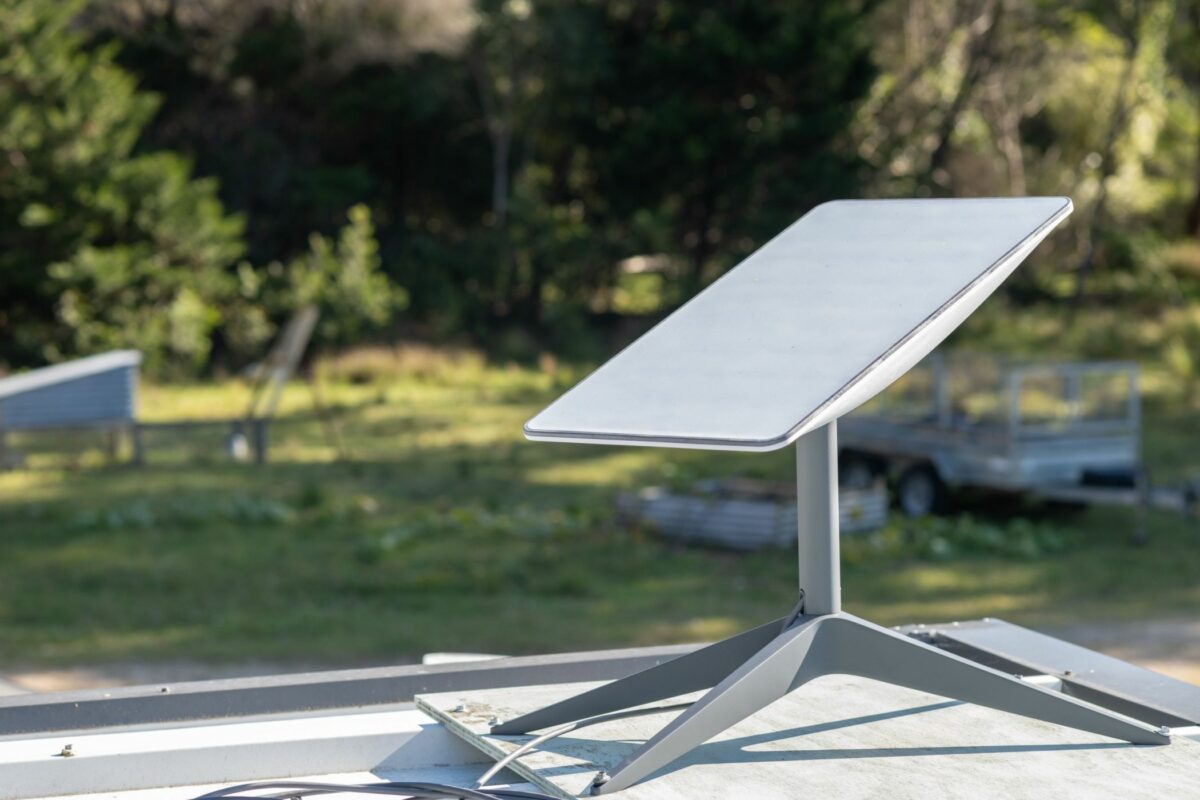
Outstanding Advantages of Satellite WiFi in Remote Areas
1. Unlimited coverage capability
WiFi vệ tinh có thể phủ sóng đến mọi ngóc ngách trên trái đất, kể cả những vùng núi cao, hải đảo xa xôi hay sa mạc hoang vu – nơi mà việc kéo cáp quang gần như không khả thi về mặt kinh tế và kỹ thuật.
2. Quick and simple deployment
To use satellite WiFi, users only need to install a signal-receiving antenna and a modem device. No complex infrastructure like BTS stations or underground cable systems is required.
3. Increasingly improved speed and stability
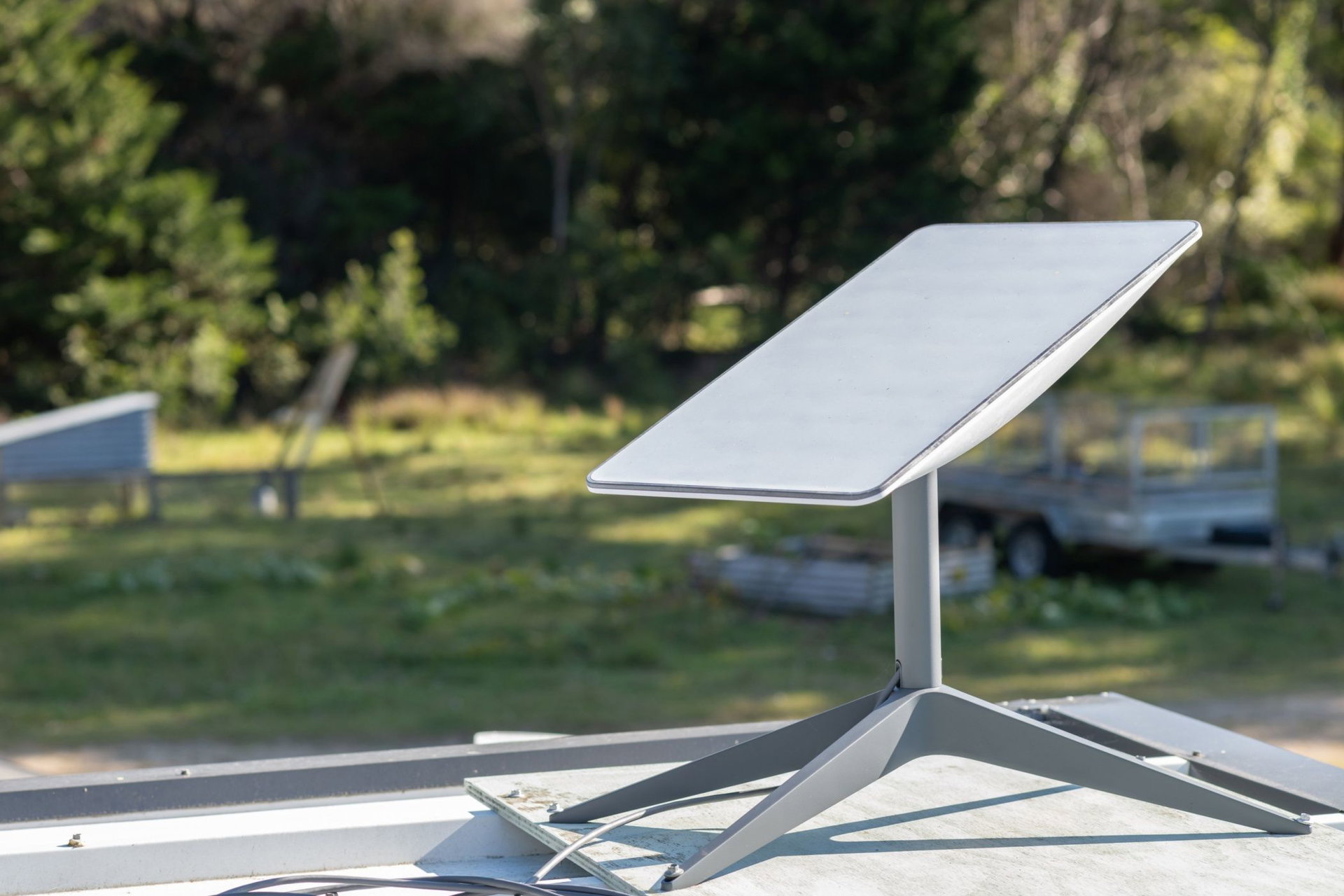
Starlink achieves speeds of 50-150 Mbps, latency of 20-40 ms, supporting effective online learning and video conferencing..
4. Connectivity capability in natural disasters
When natural disasters occur, terrestrial telecommunications systems are often severely affected. Satellite WiFi can maintain connectivity in emergency situations, aiding more effective rescue and relief coordination.
Practical Applications of Satellite WiFi in Remote Areas
1. Development of digital education
Satellite WiFi helps students in remote areas learn online, access materials, and connect with teachers from afar.
2. Promoting local economic development
People in remote areas can sell products through e-commerce, access large markets, and modern agricultural knowledge.
3. Community connection and social integration

Existing Challenges
Despite many outstanding advantages, satellite WiFi still faces some challenges:
- High cost: The price of equipment and satellite WiFi service fees are still quite expensive.
- Weather impact: Adverse weather conditions such as heavy rain and storms can affect connection quality.
- Space debris issue: Launching thousands of satellites into orbit also raises concerns about the space environment.