 English
  Tiếng Việt
Cập nhật 06/10/2026: Theo Báo Điện tử Chính phủ ngày 19/02/2026, Công ty TNHH Starlink Services Việt Nam đã được cấp giấy phép viễn thông vệ tinh; thông tin được công bố cho giai đoạn đầu gồm 4 trạm cổng và tối đa 600.000 thiết bị đầu cuối. Khả năng đặt/sử dụng dịch vụ vẫn cần được kiểm tra theo địa chỉ, loại gói và điều kiện áp dụng.
Nguồn tham khảo: Báo Điện tử Chính phủ, 19/02/2026.
1. The 1967 Outer Space Treaty: A Global Legal Foundation
1.1. Core Principles
The 1967 Outer Space Treaty (Outer Space Treaty) is the first international legal document on space, with key principles:
-
Prohibiting nuclear weapons and weapons of mass destruction in orbit, on the Moon, or celestial bodies.
-
No nation can claim sovereignty over outer space.
-
Space must be used for peaceful purposes, no military bases to be established.
1.2. National Responsibility
Nations are responsible for the activities of their organizations/individuals in space. For example, the US is legally responsible for SpaceX's Starlink satellites, even if they cause damage (according to the 1972 Liability Convention).
2. International Telecommunication Union (ITU): Frequency and Orbit Management
2.1. Fair Resource Allocation
The ITU manages radio frequencies and satellite orbits based on the principle:
-
“Đến trước, phục vụ trước” (First Come, First Served), but prioritize the needs of developing countries.
-
Register deployment plan: Countries must notify ITU about satellite specifications and orbit to avoid interference.
2.2. Updates at WRC Conference
-
WRC-23 (2023): Expand the Ka-band (26.5–40 GHz) for satellite services, enabling inter-satellite and Direct-to-Cell connectivity.
-
Frequency disputes: Starlink và các đối thủ như Amazon Kuiper phải đàm phán để tránh xung đột tại các băng tần “nóng” như 28 GHz.
3. Additional Treaties
| Treaty | Main Content |
|---|---|
| Liability Convention (1972) | The country launching the satellite must compensate for damages caused by the satellite (e.g., satellite crash). |
| Registration Convention (1975) | Requires registration of satellite information with the United Nations for transparency. |
4. Regulations in Countries: Example Vietnam
4.1. Decision 659/QĐ-TTg (2025)
Vietnam grants pilot license to Starlink with conditions:
-
Build 15 Gateway stations, starting from Da Nang (completed by June 2025).
-
Limit of 600,000 subscribers over 5 years, prioritizing remote areas and islands.
-
Comply with Cybersecurity Law: Store data domestically, cooperate with authorities.
4.2. Technical Requirements
-
Frequency band: Sử dụng tần số được Bộ TT&TT cấp phép, tránh nhiễu sóng 5G.
-
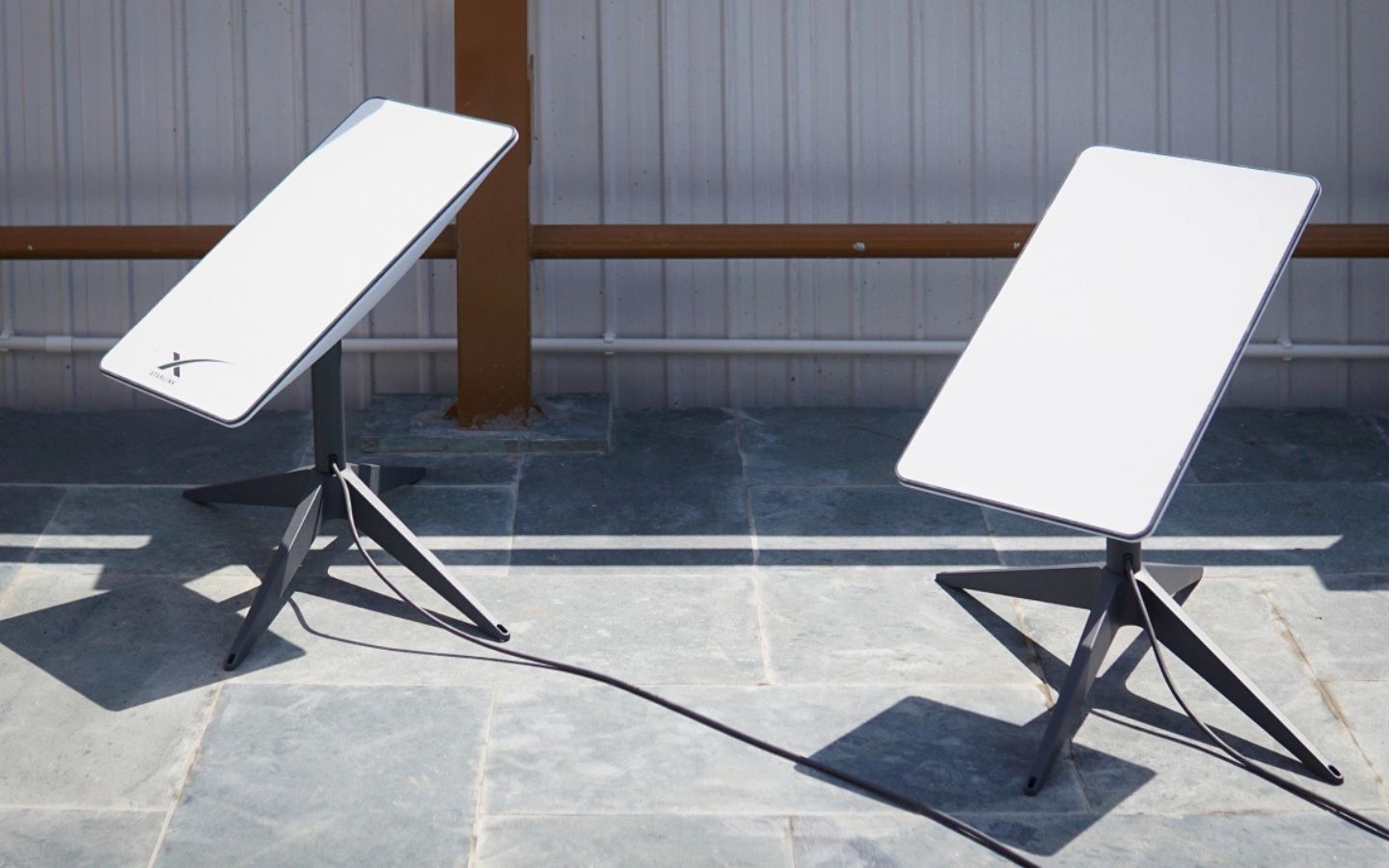
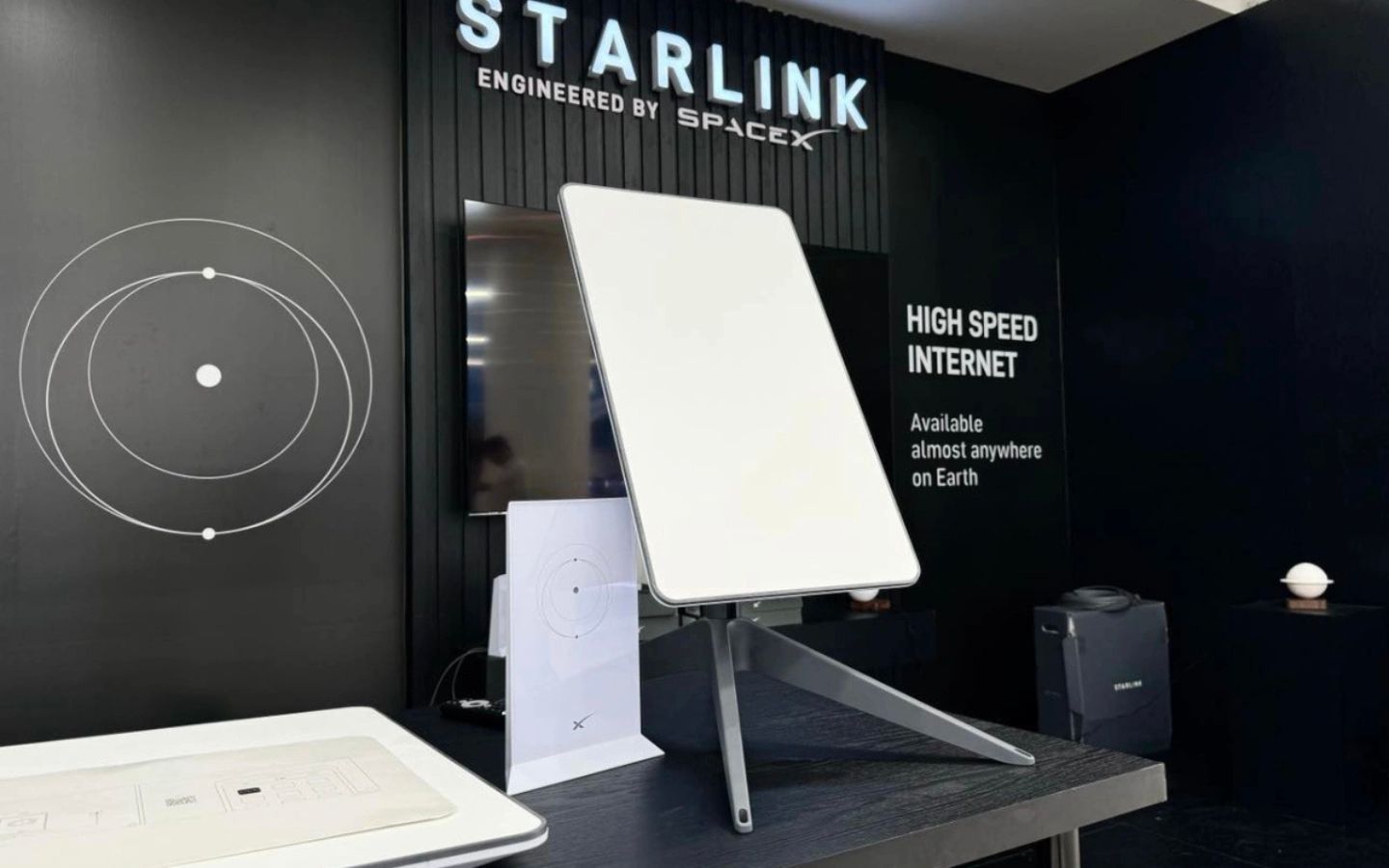
User equipment: Starlink Gen2 router must meet IP54 standard, operate at temperatures from -30°C to 50°C.
5. Challenges in Deploying Satellite Internet
5.1. Space Debris
-
34,400 Starlink satellites expected could account for 75% of artificial objects in orbit.
-
Solution: SpaceX applies technology self-destruct with plasma, reducing the decay time from 5 years to 6 months.
5.2. Frequency Competition
-
Dispute between Starlink and OneWeb: Both targeting the 28 GHz band for Direct-to-Cell service.
-
Solution: ITU encourages frequency reuse and data compression technology.
6. AI Applications in Satellite Management
6.1. Network Optimization
-
Traffic forecasting: AI analyzes data to adjust satellite positions, ensuring speeds of 50–220 Mbps.
-
Automatic collision avoidance: SpaceX uses AI to perform 50,000 avoidance maneuvers/year to protect satellites.
6.2. Edge AI on Satellites
-
On-site data processing: Gen2 satellite integrates AI to analyze satellite images, reducing the load on ground stations.
7. Future Prospects
-
Direct-to-Cell: Regular phones connect directly to satellites, providing global coverage by 2027.
-
Space Metaverse: Starlink combines AI to support 3D virtual worlds and global conferences.
Frequently Asked Questions (FAQ)
Q1: Does Starlink have to comply with Vietnamese laws?
A: Yes. Starlink must build a Gateway station in Da Nang, store data domestically, and limit to 600,000 subscribers.
Q2: Who is prioritized to use Starlink in Vietnam?
A: People in remote areas, islands, logistics businesses, and rescue agencies.
Q3: What is the latency of Starlink?
A: 20–40 ms, lower than geostationary satellites (600 ms) but higher than fiber optics (10–20 ms).
Conclusion
International regulations on satellite Internet ensure that space is used fairly and sustainably. However, challenges regarding space debris, frequency competition, and cybersecurity require global coordination. With strict compliance, Starlink and similar systems will usher in an era ofborderless connectivity, especially in hard-to-reach areas like Vietnam.