 English
  Tiếng Việt
 Actual speed of satellite WiFi
Starlink, the most popular satellite internet service today, advertises theoretical speeds that can reach:
- Download speed: 25-220 Mbps (depending on the plan)
- Upload speed: 5-25 Mbps (depending on the plan)
- Latency: 20-40ms
However, the actual speed is often lower than the advertised figures:
- Data from Ookla in 2023: Starlink users in the US experience an average download speed of about 65 Mbps and an upload speed of about 10 Mbps.
- Actual test results: Nhiều báo cáo chỉ ra rằng tốc độ download trung bình của Starlink dao động từ 42.8 Mbps đến 150-190 Mbps, tùy thuộc vào vị trí địa lý, thời điểm sử dụng và mức độ “tắc nghẽn” trong khu vực.
- Testing in Vietnam: In an event held in Hoa Lac (Hanoi), the measured Starlink speed was about 200 Mbps.
Factors affecting speed
Satellite WiFi speed is affected by many factors:
- Geographical Location: Areas with high user density often have lower speeds
- Weather: Heavy rain, snow, or storms can reduce speed and connection quality
- Time of use: Speed often decreases during peak hours (evenings and weekends)
- Antenna placement: Should be placed in an open area, not obstructed by trees or buildings
- View angle to the sky: Cần đảm bảo ăng-ten có “đường ngắm” rõ ràng lên bầu trời
Stability of satellite WiFi
Advantages of stability
- Wide coverage area: Can provide internet in most places around the world
- Not dependent on ground infrastructure: Works well in remote areas without fiber optic cables
- Resilience after natural disasters: When fiber optic systems are damaged, satellite internet still operates
Disadvantages of stability
- Affected by weather: Heavy rain, snow, storms can disrupt the connection
- Higher latency: Compared to fiber optics (20-40ms compared to 5-10ms for fiber optics)
- Congestion during peak hours: Speed can significantly decrease when many people are using it
- Need clear visibility: Trees and tall buildings can obstruct signals
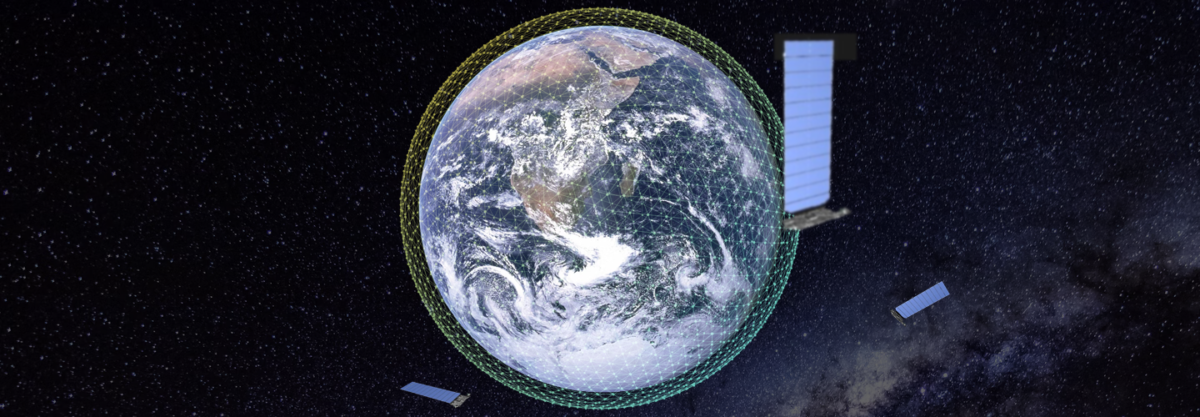
Starlink Internet speed test video
Với việc không ngừng phóng thêm vệ tinh và cải tiến công nghệ, WiFi vệ tinh ngày càng cải thiện về chất lượng và hiệu suất dịch vụ, hứa hẹn mang lại kết nối mạng mạnh mẽ và ổn định hơn cho các vùng xa xôi và người dùng thường xuyên di chuyển.