 English
  Tiếng Việt
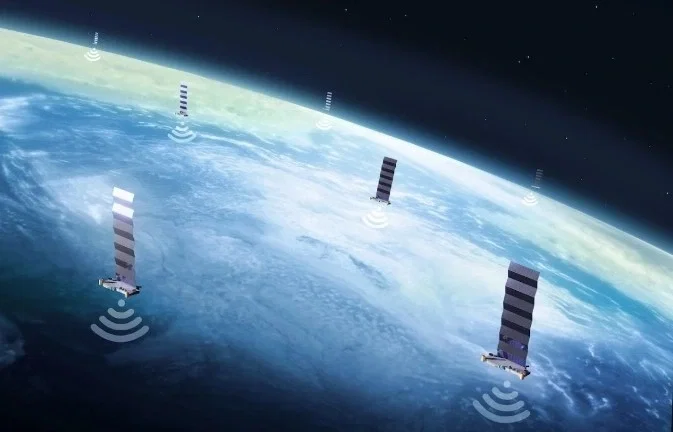
Advantages of Satellite WiFi
-
Global coverage: Usable in remote areas, islands, borders – where there is no fiber optic or mobile signal.
-
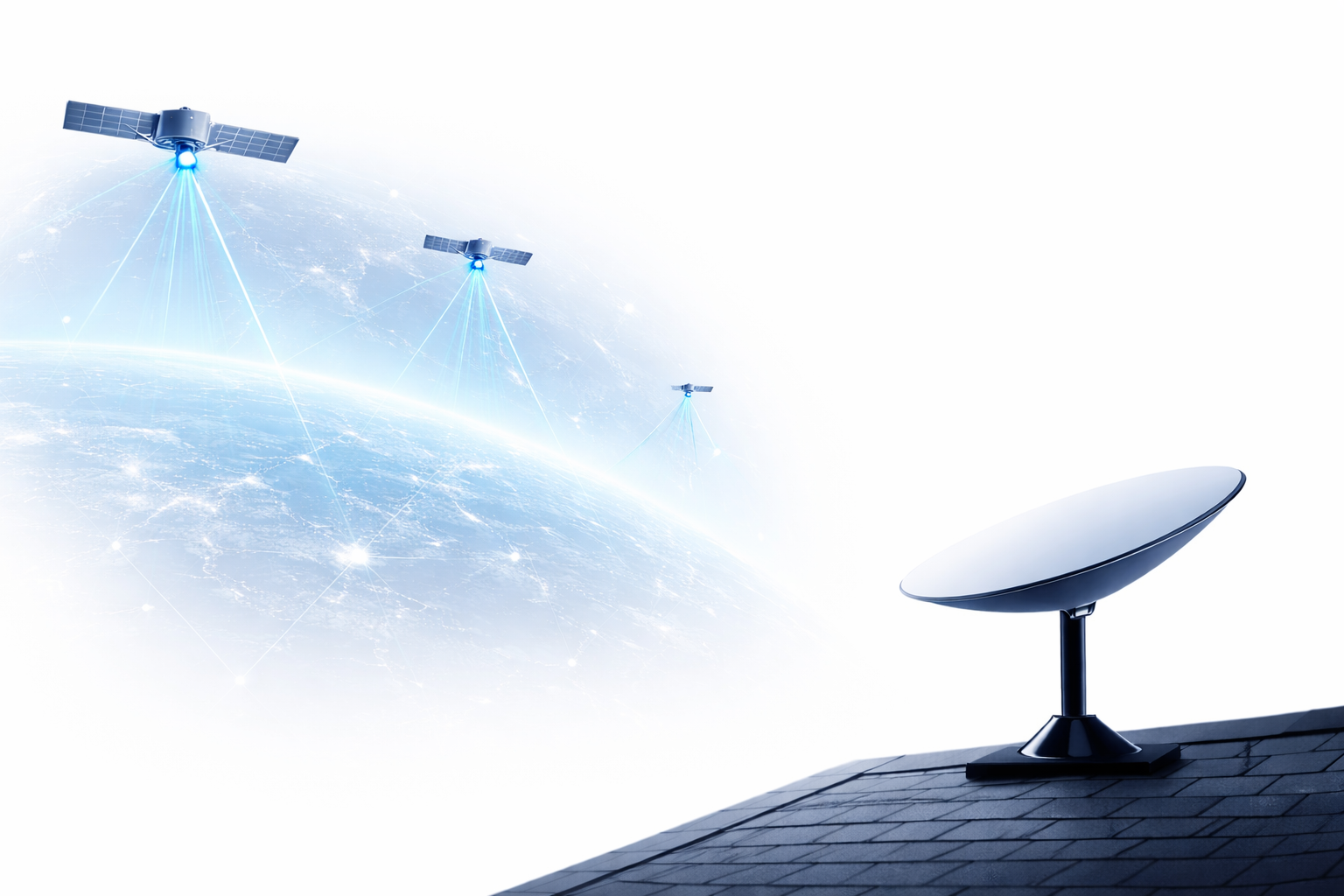
Easy installation: Just place the dish in an open area and connect to the router.
-
Stable speed: 50–200 Mbps, sufficient for working, online learning, watching HD videos.
- Emergency connection: When natural disasters cripple infrastructure, satellite WiFi still operates, ensuring communication.
Disadvantages of Satellite WiFi
-
High cost: Equipment ~14 million, subscription ~2.3–2.6 million/month – much more expensive than fiber optic.
-
Higher latency: Affects gaming, video conferencing.
-
Easily affected by weather: Rain, snow, fog can cause connection loss.
-
Requires open installation location: Needs a clear view of the sky, difficult to install in crowded urban areas.
Reviews from Actual Users
-
High reliability: Stable in areas without internet or with poor quality.
-
Actual speed: Usually 50–150 Mbps, in Vietnam it has reached 150–190 Mbps, lower than advertised.
-
User experience: Good for web browsing, video watching, remote working; gaming is still affected by latency.
-
Easy installation: No technician needed, has an app to help find the optimal installation location.
-
Value: Reasonable for rural areas; less attractive to urban users due to high costs.