 English
  Tiếng Việt
In a world increasingly advancing in technology and information, stable network connectivity and data access have become indispensable needs for everyone, from students to businesses. However, in many areas, especially remote regions, accessing stable internet remains a significant challenge.Starlink, the satellite internet service developed by SpaceX, is changing the game by providing high-quality, broadband connectivity that is easy and fast, especially for areas not yet covered by the internet.
What is Starlink WiFi?
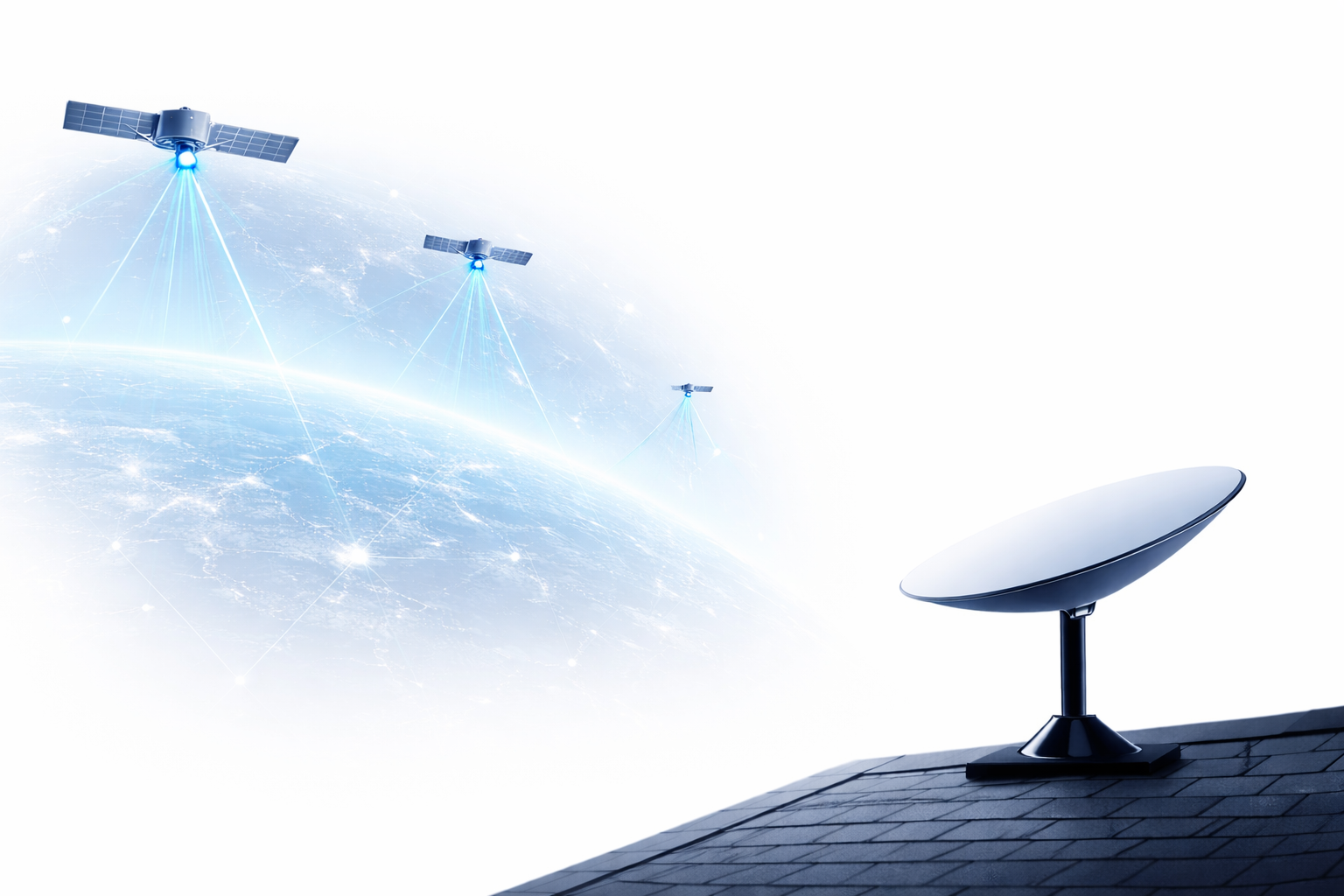
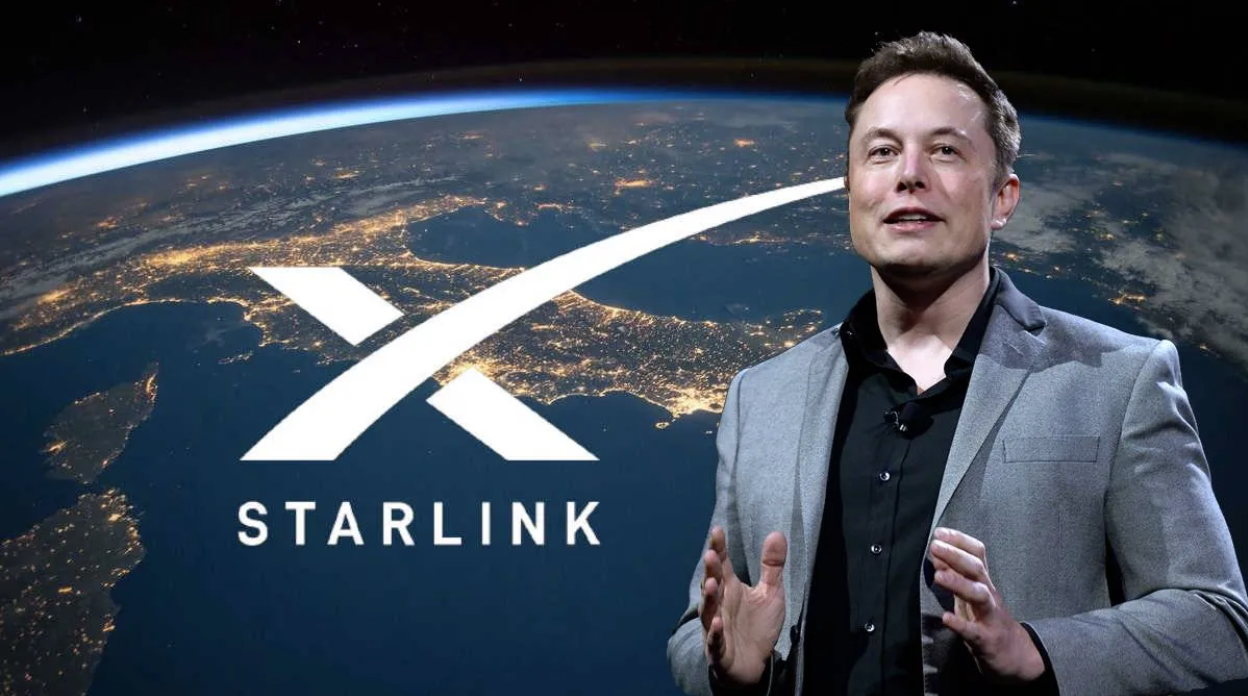
Starlink is a satellite internet service developed by SpaceX, using a low Earth orbit (LEO) satellite network to provide high-speed internet connectivity to hard-to-reach areas. This satellite network consists of thousands of small satellites operating in low orbit (about 550 km above the ground), helping to reduce latency and improve data transmission speed. Starlink provides connectivity services for both urban areas and remote regions, distant islands, where traditional internet infrastructure cannot yet reach.
Positive Impact on Connectivity and Information Access
1. Connect Every Area, No Location Limitations
One of the greatest strengths of Starlink is its ability to provide internet connectivity in every area, from major cities to remote, rural, and distant regions. Starlink's satellite network is not limited by fiber optic or 4G/5G infrastructure, allowing areas without stable connectivity to still access robust internet.
2. High Speed, Low Latency
One of the important factors of Starlink is its ability to provide high-speed internet with low latency. Download speeds can reach up to 220 Mbps and latency is only 20–40ms, allowing users to participate in online meetings, remote learning, or work without interruptions.

3. Expanded Learning and Educational Opportunities
Starlink is creating educational opportunities for students in rural and remote areas. With a stable internet connection, students can attend online classes, download study materials, and interact with teachers and friends without interruptions. Learning is no longer limited by distance or facilities.
4. Providing Remote Healthcare Services
With strong and stable connectivity from Starlink, remote healthcare services also become feasible. People in remote areas can receive medical support via video calls, get remote diagnoses, and monitor their health conditions without having to travel long distances to hospitals.
Starlink in Vietnam
Vietnam has begun testing Starlink services in rural and remote areas where traditional internet has not yet reached. This project not only helps improve the quality of life for residents but also promotes digital transformation and the development of the digital economy in localities.
Conclusion
Starlink is not just a satellite internet service, but a revolution in connectivity technology, helping to bridge the digital divide between regions. With the ability to provide high-speed, stable internet that is easy to deploy, Starlink has brought new opportunities to those in remote areas, opening up a world of information and unprecedented opportunities.