 English
  Tiếng Việt
 1. Introduction
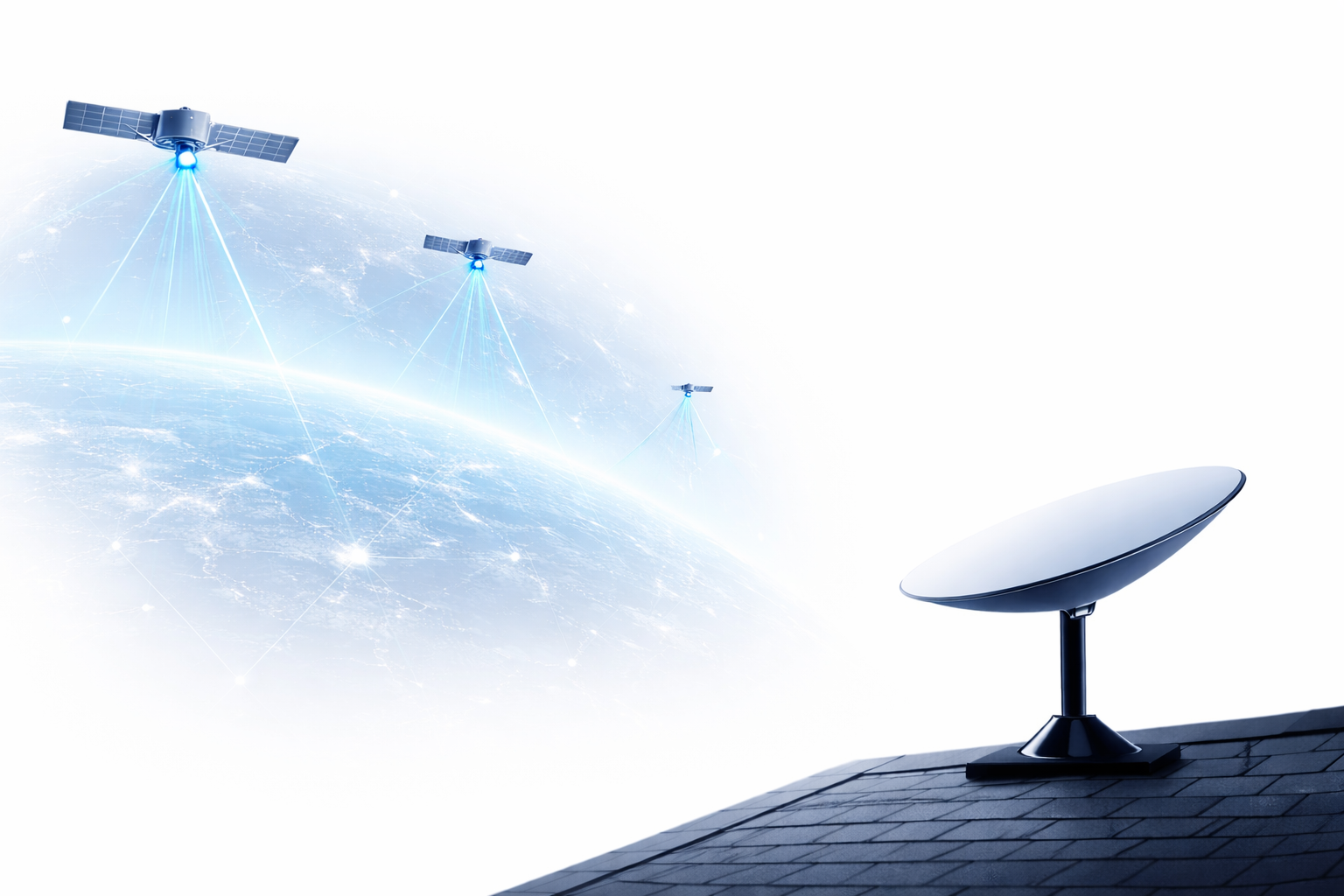
Starlink, SpaceX's global Internet protection network, is making a breakthrough in connecting the most challenging geographical areas on the planet. Regions such as vast deserts, dense water forests, and extremely harsh areas, which were once major challenges for traditional telecommunications infrastructure, are now being 'conquered' by Starlink thanks to advanced low Earth orbit (LEO) satellite technology.
This article provides a detailed analysis of how Starlink develops its services and technical solutions to serve special geographies, while also clarifying the operation and social significance of the satellite network in connecting these areas.
2. Characteristics and regulations of challenging geographies
2.1 Desert – Harsh environment, lack of infrastructure
-
Harsh climate conditions, high temperatures during the day and night.
-
Challenging terrain, lack of water sources and basic infrastructure, telecommunications are limited or non-existent.
-
Large distances between residential areas and economic centers.
2.2 Water Forest – Coverage area with transmission limitations
-
The thickness of the canopy reduces signal transmission speed.
-
Complex terrain, making it difficult to install transmission stations.
-
Mostly sparsely populated and dispersed residential areas.
2.3 Polar Regions – Harsh and unpredictable climate conditions
-
Extremely low temperatures, thick ice affecting equipment.
-
The sky is often obscured by special weather phenomena, causing signal interruptions.
-
Telecommunications infrastructure is very limited or almost non-existent.
3. Starlink's technological solutions for challenging regions
3.1 Low Earth Orbit LEO Satellites – Reducing latency and enhancing coverage
-
Starlink satellites fly at high speeds to enable faster signal transmission, slowing down to protect static addresses.
-
A thick protective network ensures continuous coverage, minimizing dead zones even in complex terrains.
3.2 Automatic transceiver, easy to install
-
The Starlink transceiver dish is designed to be compact, capable of automatically adjusting its viewing angle towards protection without needing specialized technicians.
-
Suitable for use in areas without electrical and telecommunications infrastructure.
3.3 Optical laser link network
-
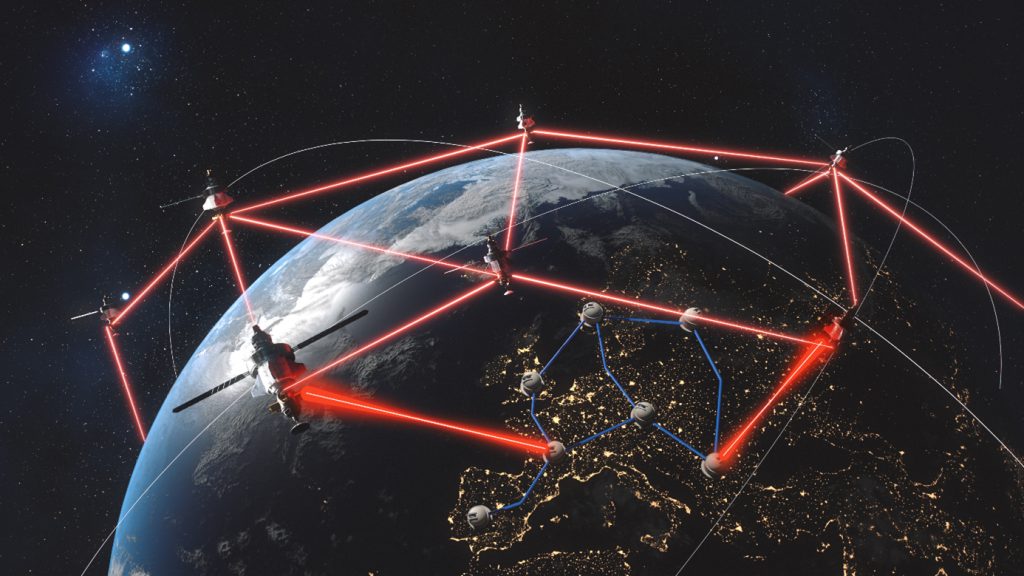
Laser links between countries allow direct data transmission in orbit without intermediate ground stations, extending coverage to deserts and remote water areas.
3.4 Optimized network software and anti-disruption
-
AI distribution network and algorithms ensure data operation redirection, minimizing disruptions in environmental conditions.
4. Practical applications and projects in special geographic areas
4.1 Desert
-
Coverage projects in the Sahara Desert (Africa) and Australian desert help residents access Internet for remote healthcare, education, and commerce.
-
Starlink supports resource extraction projects and solar energy infrastructure development in deserts.
4.2 Broadleaf forests
-
In the Amazon and Southeast Asia, ethnic minority communities in forests are connected to the Internet for education, healthcare, and environmental protection.
-
Starlink assists NGOs in developing forest conservation programs and monitoring natural resources.
4.3 Polar regions
-
Starlink supports scientific research in the Arctic and Antarctic, providing stable connections for climate and ecological studies.
-
Helps connect indigenous communities, supports emergency healthcare, and remote education.
5. Technical Challenges and Solutions in Development Deployment
5.1 Impact on Details and Terrain
-
Rainy seasons, fog, and snowfall affect signal quality.
-
Solution: Improve equipment to enhance strong signal processing capabilities, with software that automatically adjusts.
5.2 Power Supply in Remote Areas
-
Desert and water forest areas lack stable power sources.
-
Solution: Use renewable energy such as solar panels appropriately for transceiver equipment.
5.3 Difficulty in Transporting and Maintaining Equipment
-
Dangerous terrain makes installation and maintenance work difficult.
-
Solution: Simple equipment, easy to install and operate, with remote technical guidance via applications.
6. Social and Economic Significance
-
Support communities with access to knowledge, medical services, and new economic opportunities through the Internet.
-
Promote the development of distance education, reduce digital inequality.
-
Create momentum for the development of new industries in remote areas, contributing to the preservation of the natural environment.
7. Conclusion
Starlink has been successfully deploying its coverage strategy in challenging geographical areas such as deserts, water forests, and extremely remote areas, supporting the rationale of advanced LEO satellite technology, flexible transmission equipment, and optical laser link networks. This is a cautious step to bridge the gap, expanding broadband Internet access to places that were previously almost impossible to connect.
The great potential of Starlink in serving geographically challenging areas not only brings technological benefits but also contributes profound insights for economic and social development.