 English
  Tiếng Việt
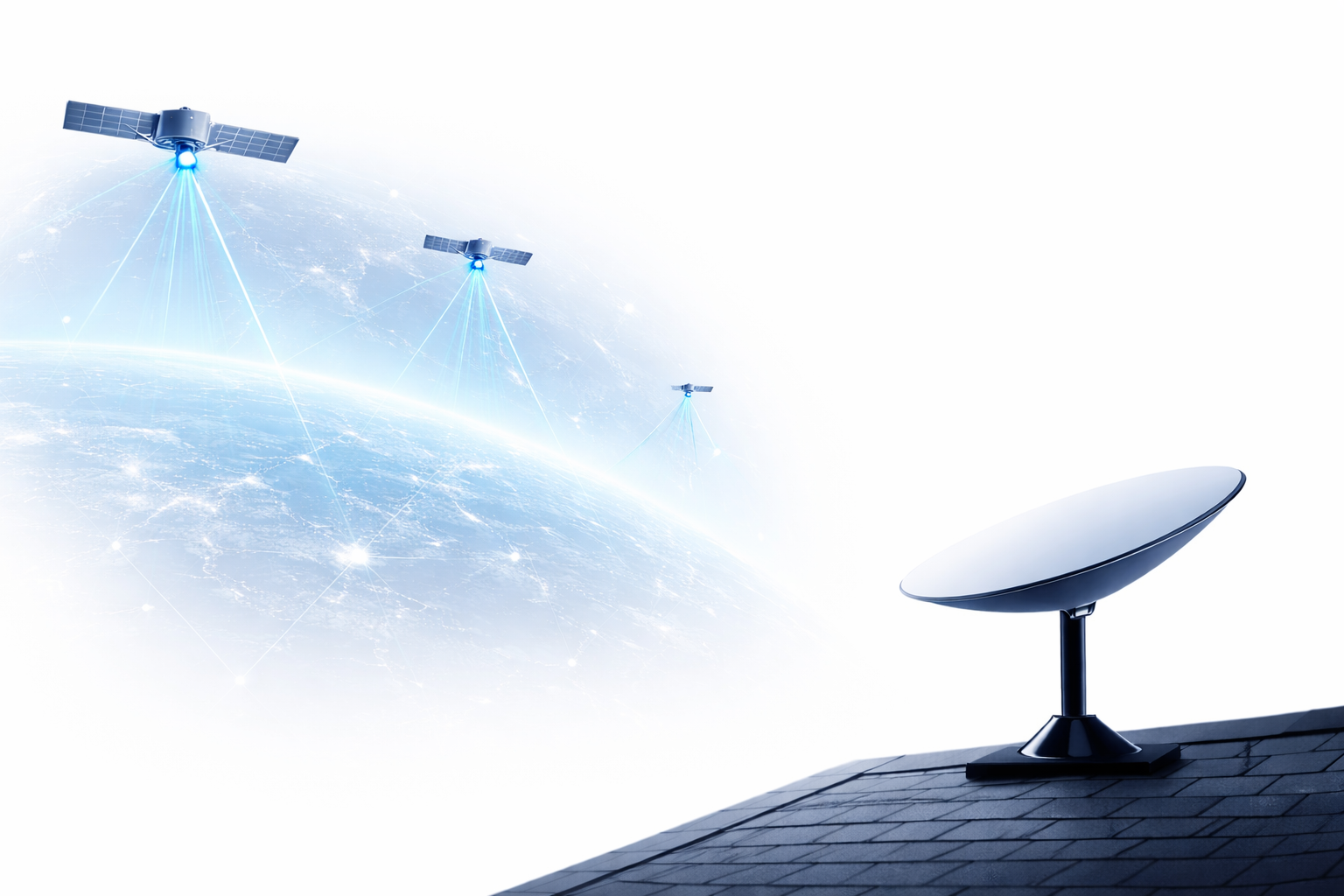
 Internet connection has now become an indispensable part of life, helping us learn, work, and communicate anytime, anywhere. However, for rural, remote, and isolated areas, traditional internet infrastructure still faces many challenges in providing stable and fast connections. Meanwhile, Starlink, the satellite internet service developed by SpaceX, is emerging as a notable solution, especially in hard-to-reach areas.
So, how is Starlink different from traditional internet networks? And what are the advantages of Starlink?
Differences Between Starlink and Traditional Internet Networks
1. Network Infrastructure
-
Traditional Internet Network: Traditional internet services often rely on fiber optic infrastructure or mobile waves (4G/5G) to connect. This requires broadcast stations and fiber optics to be installed in densely populated or easily accessible areas.
-
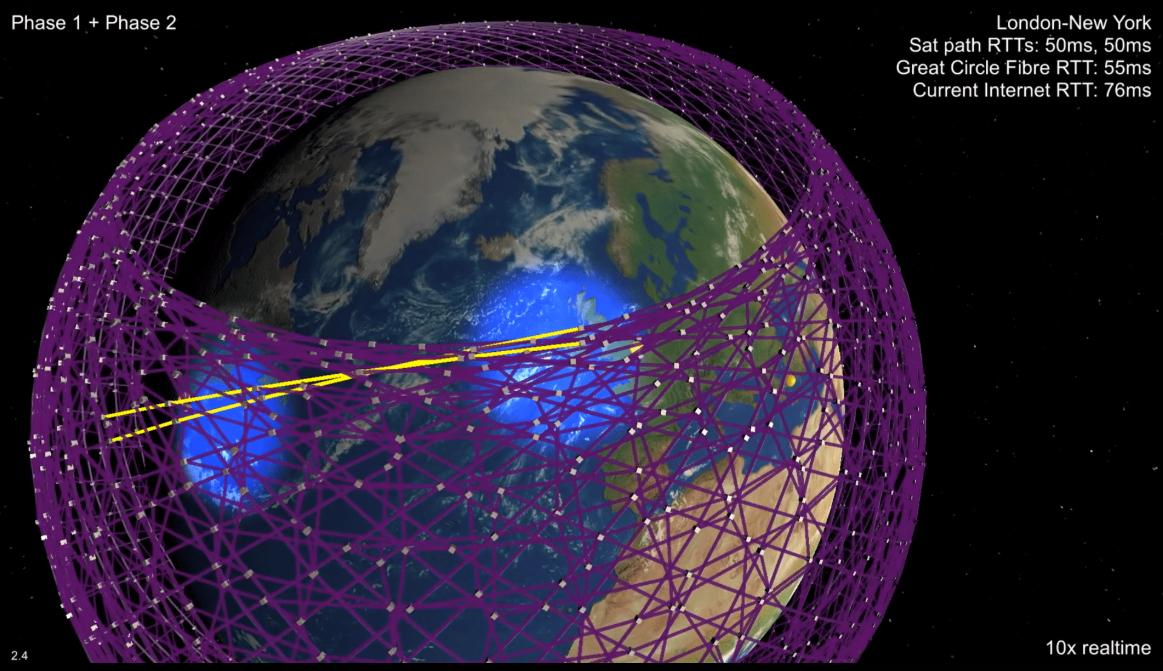
Starlink: Starlink uses a low Earth orbit (LEO) satellite network, not relying on fiber optic or 4G/5G infrastructure. This allows Starlink to easily provide internet services in remote, isolated, and island areas where traditional networks cannot reach.
2. Coverage Area
-
Traditional Internet Network: Traditional internet can only operate well in areas where network infrastructure has been installed, such as cities or densely populated areas. Rural and remote areas often have no or very limited internet services.
-
Starlink: With a low Earth orbit satellite network, Starlink can provide coverage everywhere, from major urban areas to remote regions and distant islands where traditional internet infrastructure cannot reach.
3. Speed and Latency
-
Traditional Internet Network: Although fiber optic networks can offer very high speeds, traditional internet networks are often affected by factors such as the distance from the user to the broadcast station and the level of network congestion. Latency is usually higher in wireless services like 4G or 5G, especially when many users are connected simultaneously.
-
Starlink: Starlink offers download speeds of up to 220 Mbps and latency from 20–40ms. Notably, with low Earth orbit satellites, Starlink's latency is lower compared to traditional satellites and 4G/5G networks, providing a smooth online experience for users.


4. Installation and Maintenance Costs
-
Traditional Internet Network: For fiber optic networks, installation costs are often very high, especially in hard-to-reach areas. Besides the initial costs, users also have to bear monthly maintenance fees, and service costs may vary depending on the area.
-
Starlink: Starlink's installation costs are lower compared to laying fiber optic cables and setting up traditional network infrastructure. Users only need to install the terminal equipment (antenna) and connect to the satellite to use the internet immediately, without the need for complex network infrastructure.
Advantages of Starlink Over Traditional Internet Networks
1. Stable, Strong Connection in Remote Areas
For areas without stable internet or where fiber optic networks cannot reach, Starlink is the ideal solution. Starlink's low Earth orbit satellites can provide stable and fast connections to hard-to-reach areas.
2. Reduce Latency, Enhance User Experience
Starlink helps reduce latency compared to traditional satellite services, providing a smoother internet experience for users in activities such as online learning, video conferencing, and gaming.
3. Cost Savings, Especially for Remote Areas
With lower installation costs and no need to invest in complex infrastructure, Starlink helps save costs for users in rural, remote areas. The absence of the need to maintain traditional broadcasting stations helps reduce costs for service providers.
Conclusion
Starlink is not just a regular satellite network, but a revolution in connectivity technology, helping to expand internet connectivity capabilities to every corner of the earth. With high speed, low latency, and cost savings, Starlink is gradually replacing traditional internet networks in hard-to-reach areas, opening up great opportunities for learning, remote working, and improving the quality of life for millions of people.