 English
  Tiếng Việt
 1 What is Starlink?
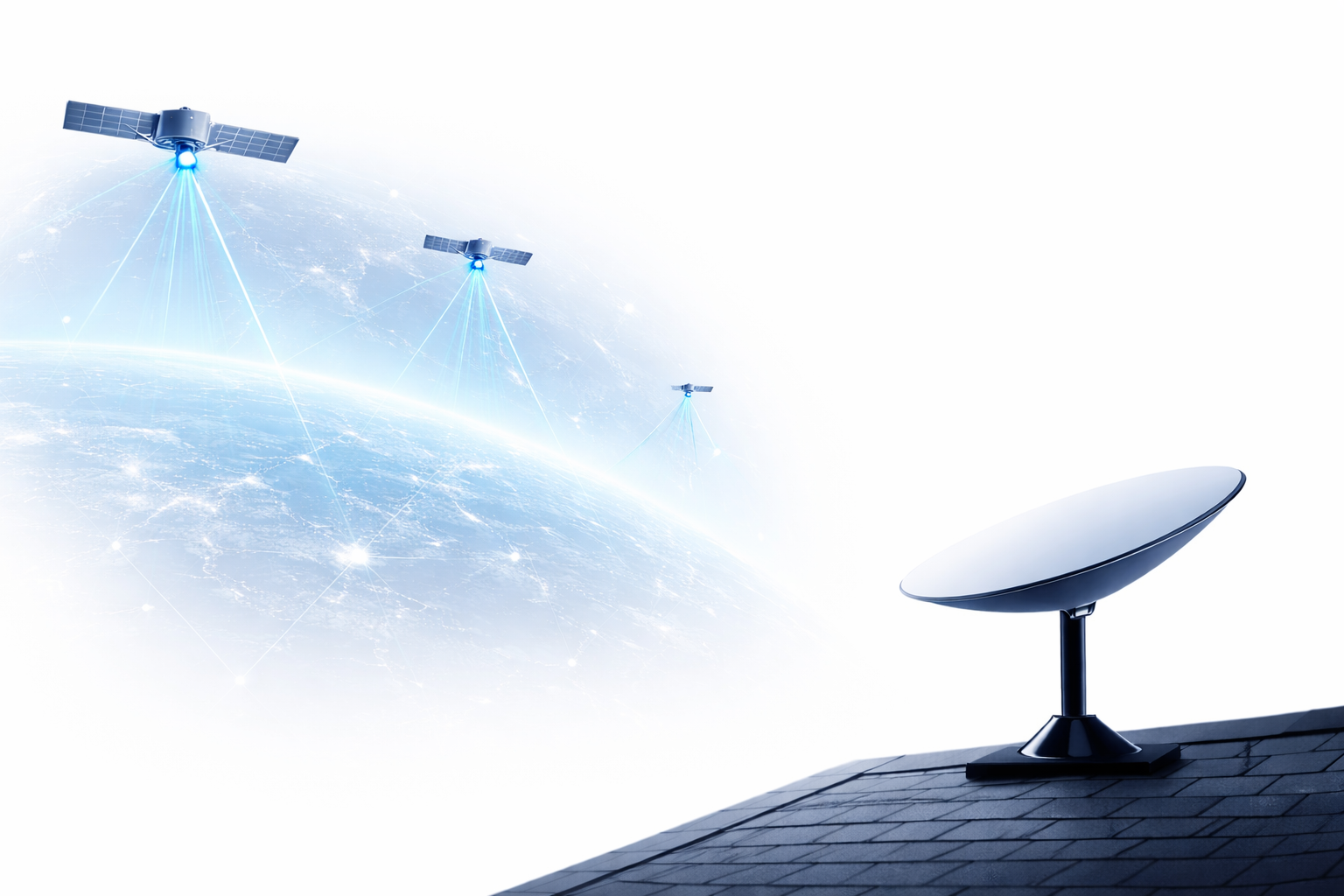
- Starlink is a satellite internet network developed by Elon Musk's SpaceX, launched in 2019
- Objective: Provide high-speed, low-latency broadband internet to everywhere in the world

2 How Starlink Satellite Internet Technology Works
Data transmission process
-
- From user to satellite:
- Data from user device → Starlink router → transceiver dish → Starlink satellite
- Between satellites:
- New generation satellites use laser links to transmit data directly between satellites
- Laser technology allows for higher speed data transmission and greater bandwidth than radio waves
- From satellite to global Internet:
- Satellites transmit data down to ground stations
- Ground stations connect to the Internet backbone via fiber optic cables
- Data feedback: The feedback data stream follows the reverse path
- From user to satellite:
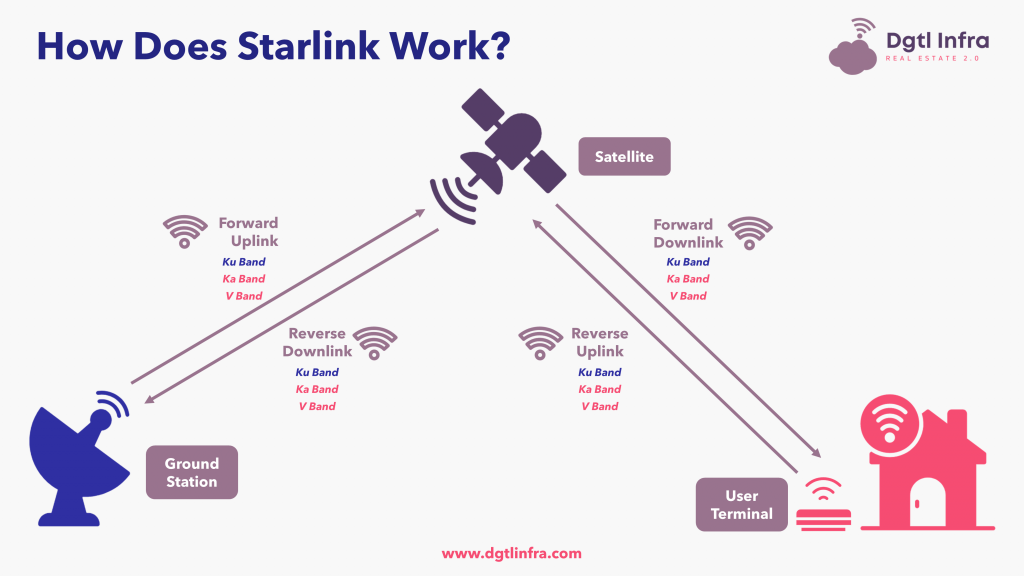 How Starlink Internet works
- System structure:
- Small satellite network in low orbit
- Ground stations connect to the global internet
- User equipment (flat-panel dish antenna, router)
- Data transmission process: User equipment → Satellite → Ground station → Internet → Reverse
- Laser link technology: Allows satellites to communicate directly with each other, reducing latency
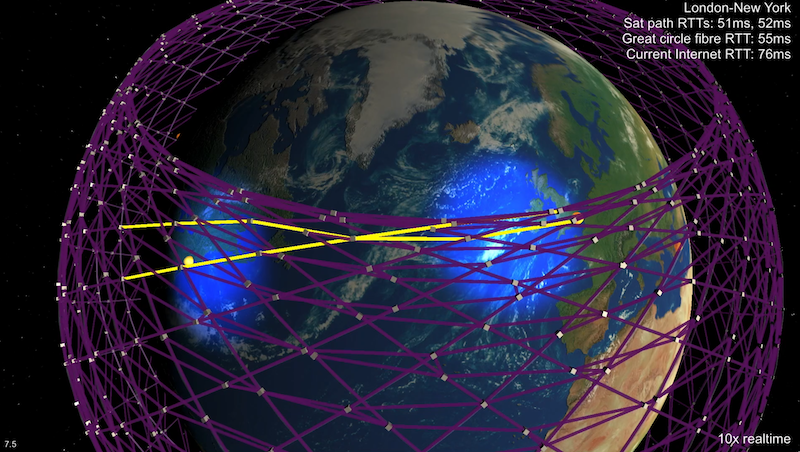 High speed, low latency
Main Advantages
- Global coverage: Provides internet to every corner of the Earth
- High speed, low latency: Download 100-200Mbps, low latency
- Resilience: Supports connectivity in disasters
Practical Applications
- Connecting remote areas
- Supporting business and education
- Military and government applications
Introduction Video About Starlink Internet
Starlink is gradually changing the way global Internet connectivity is approached, aiming to provide high-speed Internet access everywhere.