
 English
  Tiếng Việt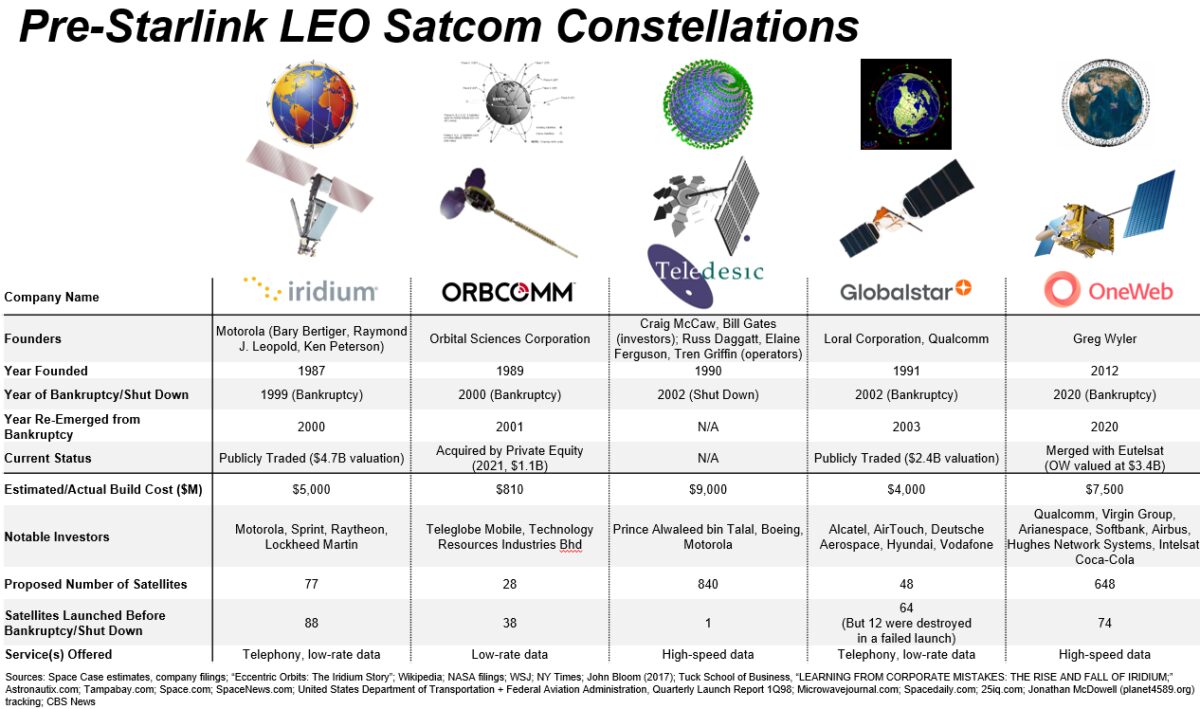
Comparison of satellite numbers
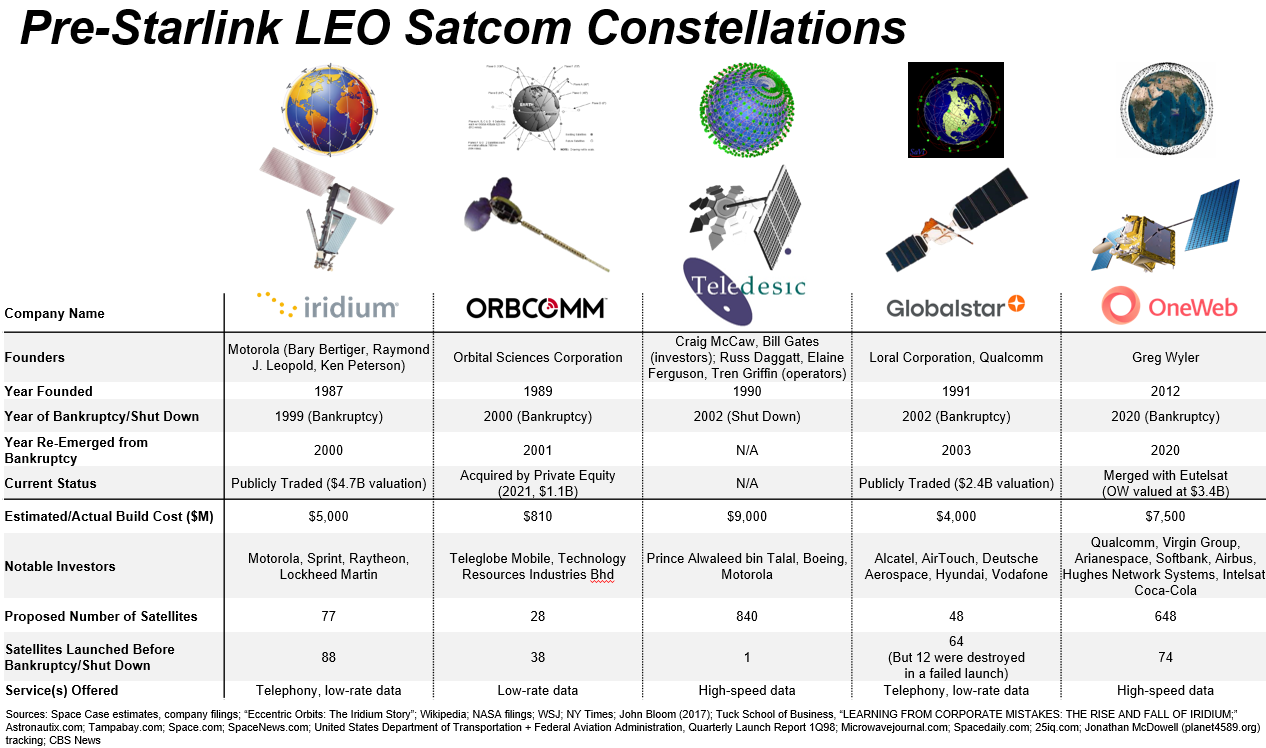
| Provider | Current number of satellites | Expected number of satellites |
|---|---|---|
| Starlink | More than 6,000 | 42.000 |
| Viasat | 3 | 6-10 |
| HughesNet | 3 (Jupiter 1,2,3) | 3-5 |
| OneWeb | 634 | 648 |
| Amazon Kuiper | 0 (in development) | 3.236 |
Starlink leads with 6,000+ satellites, far surpassing OneWeb (634), HughesNet, Viasat (a few geostationary satellites), and Amazon Kuiper (in development). As a result, the service is more extensive and stable.
Comparison of satellite position and distance
One of the most important differences between Starlink and its competitors is the orbital position of the satellites:
| Provider | Type of orbit | Distance from Earth |
|---|---|---|
| Starlink | LEO (non-geostationary) | 550km (342 miles) |
| Viasat | GEO (geostationary) | 35,786km (22,236 miles) |
| HughesNet | GEO (geostationary) | 35,786km (22,236 miles) |
| OneWeb | LEO (non-geostationary) | 1,200km (745 miles) |
| Amazon Kuiper | LEO (non-geostationary) | 590km – 630km |
Starlink uses low Earth orbit satellites, only about ~1,100km from Earth, helping to reduce latency and increase speed. Meanwhile, geostationary satellites like those of HughesNet and Viasat are as far as ~35,000km.
Performance comparison

| Provider | Download Speed | Upload Speed | Latency |
|---|---|---|---|
| Starlink | 50-220 Mbps | 5-20 Mbps | 20-40ms |
| Viasat | 12-150 Mbps | 3 Mbps | 600-750ms |
| HughesNet | 25-100 Mbps | 3 Mbps | 600-800ms |
| OneWeb | 50-400 Mbps (expected) | 10-40 Mbps* | 30-70ms* |
| Amazon Kuiper | 400 Mbps (expected) | 40 Mbps* | 30-50ms* |
Starlink excels in speed and latency (20–40ms), supports video conferencing and gaming. Meanwhile, Viasat and HughesNet have high latency (600–800ms), difficult to meet real-time demands.
Coverage area

| Provider | Number of current countries | Coverage in the US | Global coverage |
|---|---|---|---|
| Starlink | Over 100 | 99,7% | Extensive |
| Viasat | Mainly in North America | 87,2% | Limitations |
| HughesNet | North, South America | 88,5% | Limitations |
| OneWeb | Global coverage available | Limitations | Expanding |
| Amazon Kuiper | Not deployed | Not deployed | Not deployed |
Starlink has the widest coverage, reaching 99.7% in the US. In Vietnam, it has been granted a 5-year pilot license with a maximum of 600,000 subscribers.
Ability to provide multimedia services
| Provider | Watch 4K videos | Online meetings | Online gaming |
|---|---|---|---|
| Starlink | Very good | Very good | Good |
| Viasat | Good | Poor | Poor |
| HughesNet | Limitations | Poor | Poor |
| OneWeb | Good (expected) | Good (expected) | Good (expected) |
| Amazon Kuiper | No data available | No data available | No data available |
Starlink suitable for 4K, online meetings, gaming thanks to high speed, low latency. Viasat and HughesNet difficult to meet due to high latency.

Advantages and disadvantages of Starlink
Advantages:
-
High speed, low latency (LEO satellite)
-
Unlimited data
-
Wide coverage, including remote areas
-
Supports all applications (streaming, gaming)
-
Easy self-installation
Disadvantages:
-
High cost
-
Easily affected by weather
-
Reduced quality in areas with many users
-
Requires clear line of sight to the sky

Who should use Starlink?
Starlink is suitable for:
-
People in areas without fixed Internet
-
Remote workers
-
People needing mobile Internet (Roam package)
-
Businesses in remote areas need high speed
Conclusion
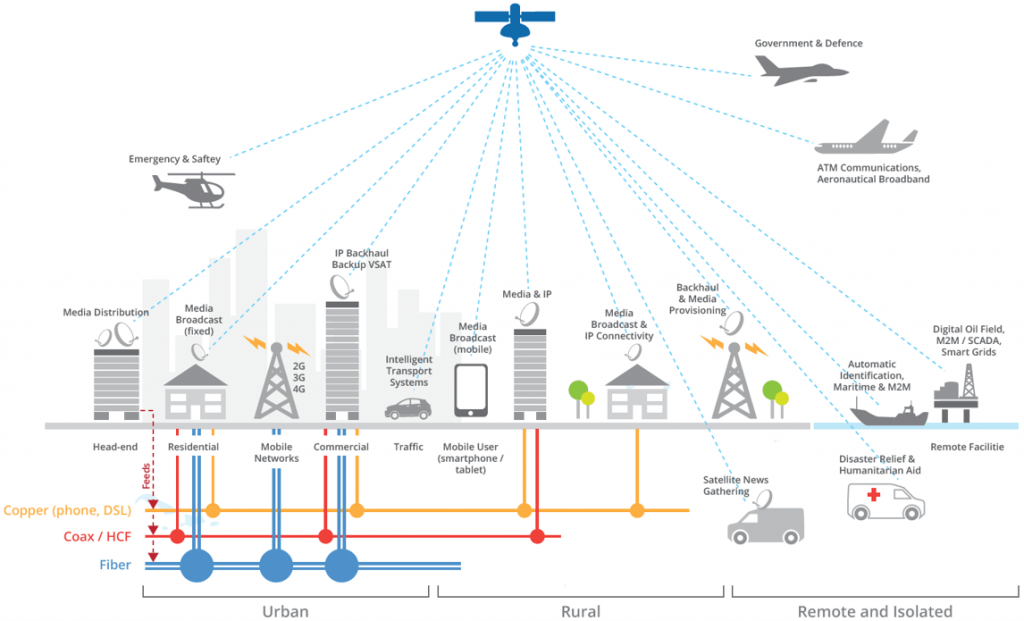
Starlink leads satellite Internet thanks to low-orbit satellites and large numbers. Compared to Viasat, HughesNet, Starlink is faster, has lower latency, and no data limits – but cost remains a barrier.