 English
  Tiếng Việt
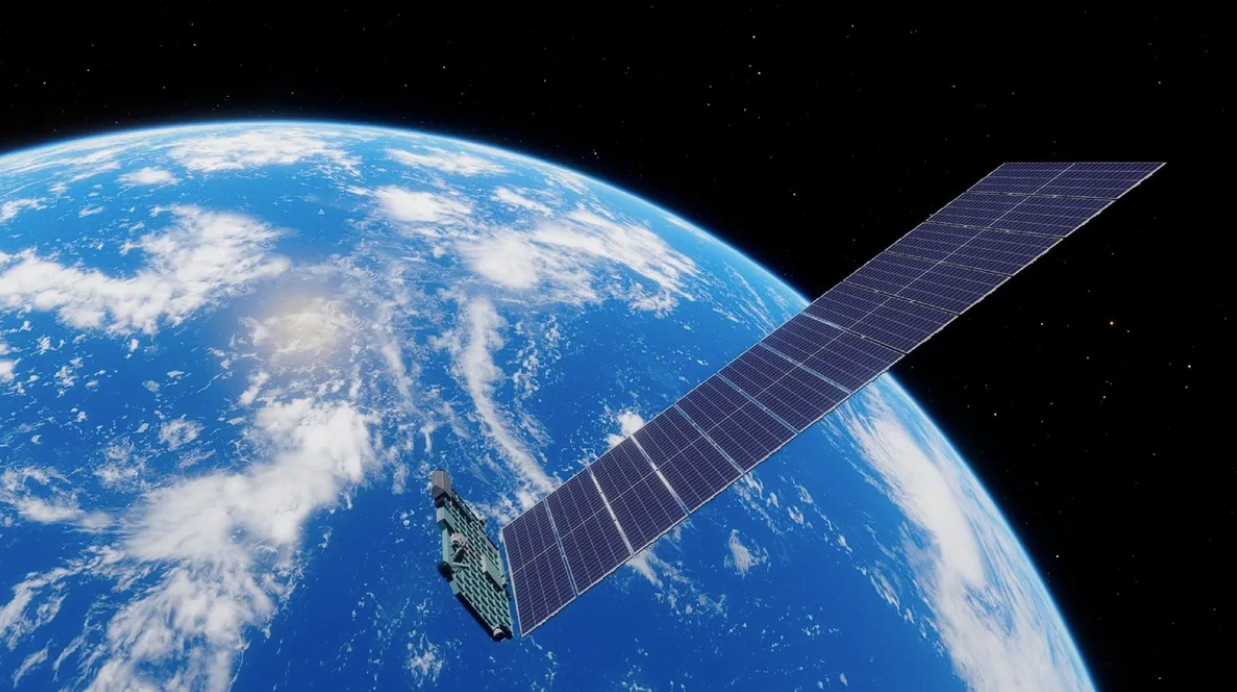
Starlink, the satellite Internet service by SpaceX, is expected to provide a high-speed connectivity solution for remote and rural areas in Vietnam. However, the deployment of Starlink faces significant challenges from legal, cost to technical infrastructure. This article will analyze in detail the issues, answer user questions, and provide the latest updates on this project, helping you better understand the potential as well as the barriers of satellite Internet service in the Vietnamese market.
1. What is Starlink and Why is it of Interest in Vietnam?
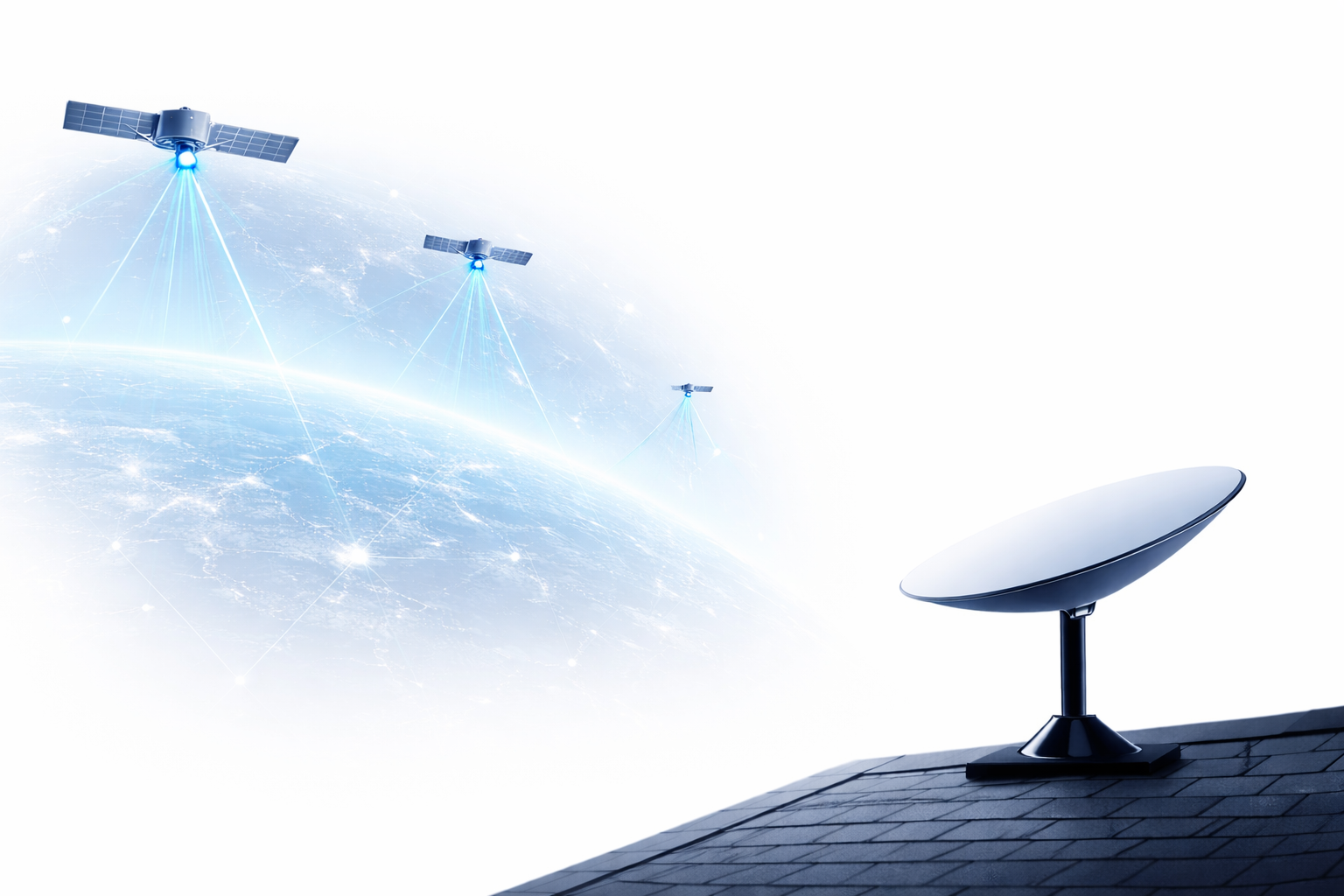
Starlinkis a satellite Internet project developed by SpaceX, the technology company of billionaire Elon Musk. The project uses tens of thousands of low Earth orbit (LEO) satellites to provide high-speed Internet connectivity globally, especially in hard-to-reach areas such as mountainous regions, islands, where traditional telecommunications infrastructure is still weak. With the ability to reduce signal latency to20-40 ms and download speeds reaching 50-200 Mbps, Starlink promises to deliver a superior Internet experience compared to traditional geostationary satellite technologies.
In Vietnam, the demand for Internet connectivity in remote, rural, border, and island areas is increasing, especially in fields such as education, healthcare, national defense, and economic development. According to statistics from the Department of Telecommunications, about 17% of households have not yet accessed fiber optic Internet, mainly in difficult areas. Therefore, Starlink is seen as a potential solution to bridge the digital divide, supporting the national digital transformation strategy by 2030.
2. Legal Challenges in Deploying Starlink in Vietnam
2.1. Regulations on Gateway Stations and Pilot Licenses
According to Decision 659/QĐ-TTg issued on 23/3/2025, the Prime Minister has allowed SpaceX to pilot the Starlink service in Vietnam for a period of 5 years, with a maximum of 600,000 subscribers. However, a mandatory condition is that the company must build at least one Gateway station (ground gateway station) in the country to control data traffic. The first station is being deployed in Da Nang with an estimated investment of 15-20 million USD, expected to be completed by June 2025. Establishing the Gateway station not only ensures legal compliance but also helps reduce signal latency, increasing service efficiency.
2.2. Compliance with Cybersecurity Law
Starlink must meet the strict regulations of the 2018 Cybersecurity Law, including storing user data on servers located in Vietnam, cooperating with authorities to prevent cyberattacks and control violating content. This requires SpaceX to make significant investments in technical infrastructure and closely coordinate with the Ministry of Information and Communications (MIC). Additionally, the company also needs to periodically report on service activities, comply with technical standards and Vietnam's foreign, defense policies.
2.3. Number of Gateway Stations and Expansion Plan
SpaceX plans to build a total of 15 Gateway stations in Vietnam in the future to ensure wide coverage and stable service quality. The choice of Da Nang as the first location is not only due to its favorable geographical position but also because it is an important technology and telecommunications hub, easily connecting with the national network infrastructure. However, building additional stations will require large capital and coordination with localities, which may extend the deployment time.
3. Starlink Usage Costs: Too High for Vietnamese Users?
3.1. Equipment Price and Service Fees
Based on Southeast Asian markets like the Philippines, Starlink's terminal kit (including antenna, router, and stand) costs about 12-15 million VND, while the monthly subscription fee ranges from 1.2-5 million VND (equivalent to 50-200 USD). Compared to domestic fiber optic Internet, with prices starting from 200,000-500,000 VND/month for standard packages, Starlink's costs are many times higher, becoming a significant barrier for regular users.
3.2. Accessibility in Remote Areas
Although Starlink targets areas without Internet infrastructure such as remote regions, where the average income of residents is only about 3-5 million VND/month, the payment 12-15 million VND for the initial equipment and monthly service fees is a financial burden. This raises questions about the accessibility for the target audience that Starlink aims for.
3.3. Support Policies and Cost Reduction Solutions
To increase accessibility, SpaceX may implement equipment discount programs or offer free equipment for users committed to long-term use, as has been done in Europe and North America. Additionally, government support through subsidy packages or cooperation with local network providers to share costs is also a crucial factor for Starlink to become popular in Vietnam. Some experts propose reducing 30-40% of the costs of equipment and services to better fit the market.
4. Technical Infrastructure and Challenges in Installing Starlink
4.1. Installation Space Requirements
Starlink's terminal equipment needs to be placed in an open area, unobstructed by trees or buildings, with an optimal open angle 100 degrees compared to the horizon. This poses challenges in densely populated urban areas like Hanoi, Ho Chi Minh City, where open space is limited by high building density. Even in mountainous regions, hilly terrain and dense vegetation can affect signal performance.
4.2. Logistics and Operational Challenges
Transporting equipment to island areas (such as Truong Sa, Phu Quoc) or remote regions (Northwest, Central Highlands) requires specialized logistics systems and high costs. Additionally, maintaining equipment and training technicians knowledgeable in LEO satellite technology is a major issue. SpaceX needs to collaborate with local partners, build supply chains, and establish service centers to ensure uninterrupted service.
4.3. Technical Support and Workforce Training
Currently, Vietnam does not have a team of technicians specialized in low orbit satellite technology. SpaceX needs to coordinate with technical universities such as Hanoi University of Science and Technology or training centers to develop specialized training programs. It is estimated that at least 5,000 technicians need to be trained in the next 5 years to meet the maintenance and customer support needs nationwide.
5. Competition with Traditional Internet in Vietnam
5.1. Comparison with Fiber Optic and 5G
According to the Speedtest 2025 report, the average fixed Internet speed in Vietnam is 164.77 Mbps (ranked 35 globally), while 5G networks reach 144.5 Mbps (ranked 19 globally). With a price only 1/10 of Starlink and coverage up to 99.8% of the population, domestic carriers like Viettel, VNPT, FPT dominate in urban areas and many rural regions.
5.2. Starlink's Target Market
Starlink primarily targets 'dead zone' areas such as remote regions, islands, or specific industries like maritime, oil and gas, scientific research. Therefore, this service does not directly compete with traditional Internet but acts as a supplement. However, to attract users, Starlink needs to demonstrate superior value in terms of stability and connectivity in places without ground infrastructure.
5.3. Response from Domestic Carriers
Domestic telecom companies like Viettel and VNPT stated they are not concerned about direct competition with Starlink, as the main market for this service is in areas where they have not invested in infrastructure. However, the presence of Starlink could motivate carriers to improve service quality, expand coverage, and diversify products.
6. Frequently Asked Questions About Starlink in Vietnam
6.1. When Can Vietnamese Users Access Starlink?
Expected in 2025, after the Gateway station in Da Nang is completed, users will experience Starlink in a pilot framework with 600,000 subscribers. Detailed information on how to register will be announced by SpaceX after completing legal procedures.
6.2. What Are the Speed and Latency of Starlink?
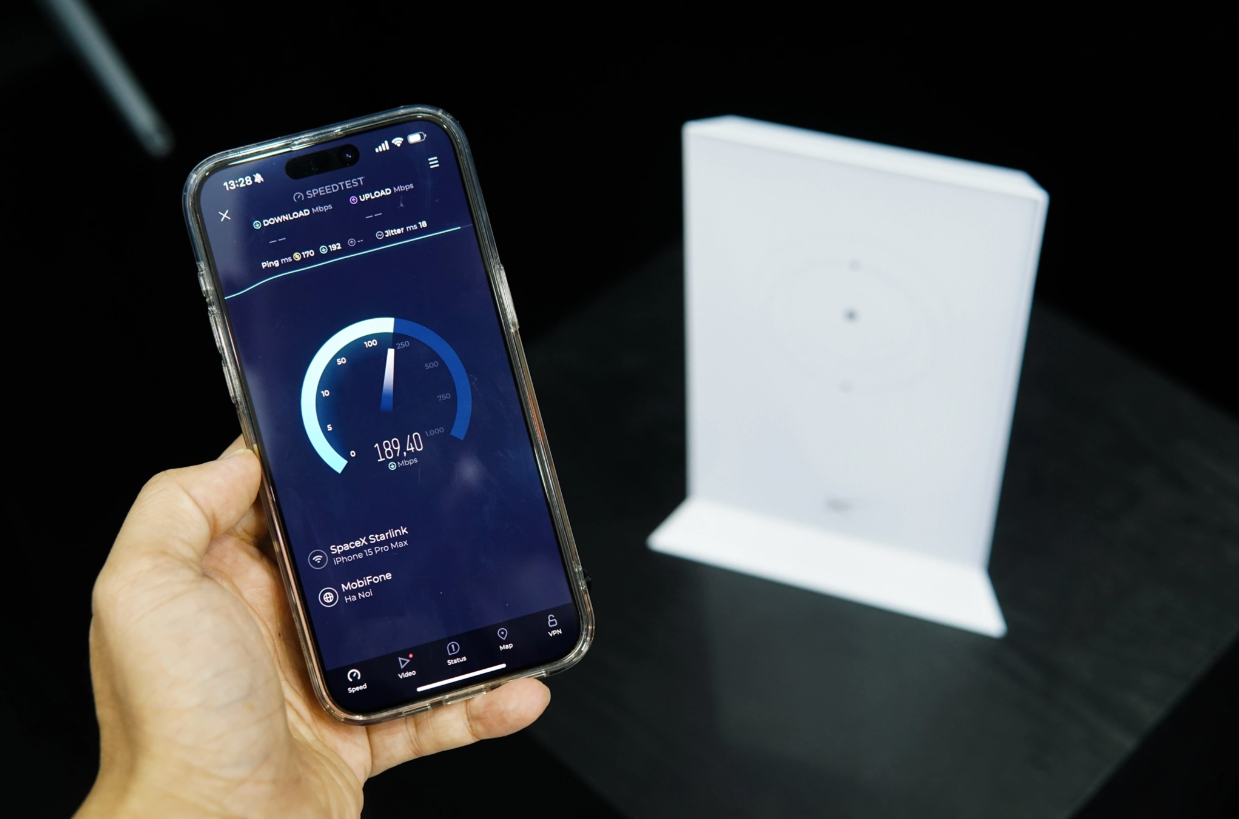
Starlink offers download speeds from 50-200 Mbps, latency around 20-40 ms, suitable for activities like watching HD videos, online meetings, or online gaming. This is a significant advantage compared to traditional satellite Internet with latency up to hundreds of milliseconds.
6.3. Is Starlink Suitable for Urban Users?
In major cities, where fiber optics and 5G are widely available, Starlink is not an economical choice due to high costs. However, it can be a backup solution or serve the needs of frequent travelers, especially for businesses requiring stable connectivity anytime, anywhere.
6.4. Does Starlink Have Any Promotional Policies?
Globally, Starlink has implemented programs offering free equipment for users committed to using the service for 12 months. In Vietnam, specific promotional policies will be announced after the pilot phase, potentially including equipment discounts or financial support from the government.
7. Potential and Solutions for Starlink's Development in Vietnam
Starlink has great potential in eliminating 'dead zones' at around 2,000 disadvantaged communes in Vietnam, contributing to promoting education, healthcare, and economy in border and island areas. To succeed, solutions such as:
-
Reduce costs by 30-40% for equipment and services to match the income of the people.
-
Build more Gateway stations, at least 3 stations before 2026, to expand coverage.
-
Train local technicians and cooperate with domestic carriers like Viettel, VNPT.
-
Financial support policies from the government for users in remote areas, possibly through credit programs or subsidies.
Additionally, Starlink also opens opportunities in specific fields such as aviation and maritime, providing high-speed connectivity on planes and ships – something that Vietnam, with its long coastline and developing tourism industry, can fully leverage.
Conclusion: Starlink – A Great Opportunity But Full of Challenges in Vietnam
Starlink in Vietnam offers a breakthrough opportunity to expand Internet connectivity, especially in areas where traditional infrastructure has not reached. However, challenges regarding legal, cost, infrastructure and competition need to be addressed comprehensively for this service to develop sustainably. With the collaboration between SpaceX, the government, and telecommunications enterprises, Starlink can become an important tool in the national digital transformation strategy by 2030, bringing practical benefits to millions of people.