
 English
  Tiếng Việt
In today's digital age, internet connectivity has become an essential factor in all human activities, from learning and work to entertainment. However, accessing stable internet remains a major issue for many areas, especially remote regions. Therefore, Starlink, the satellite internet service by SpaceX, is emerging as a groundbreaking solution, providing network connectivity to underserved areas, opening up new opportunities for millions of people.
What is Starlink?
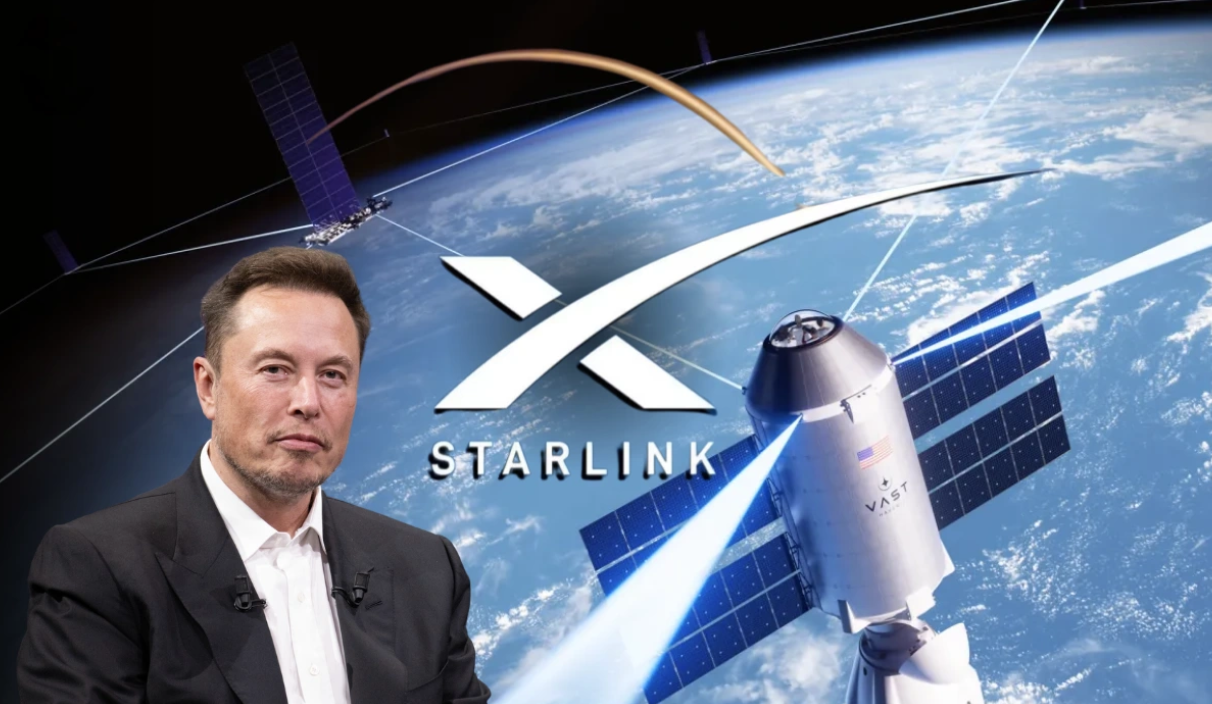
Starlink is a satellite network project developed by SpaceX with the goal of providing broadband internet service to areas without stable internet infrastructure. This network consists of thousands of small satellites operating in low Earth orbit (LEO) at an altitude of about 550 km above the ground, helping to improve transmission speed and reduce latency.
With the strong development of Starlink, this service not only supports urban areas but also expands connectivity to remote regions where traditional internet infrastructure cannot reach.
Benefits of Starlink for Underserved Areas
1. Connectivity Everywhere
Starlink does not rely on fiber optic infrastructure or mobile networks like 4G/5G. Instead, this service uses low Earth orbit satellites to connect areas that cannot access traditional networks. Users only need a simple terminal device, installed at any location with a clear view of the sky, and can immediately connect to the satellite to access the internet.
This provides network connectivity opportunities for areas with infrastructure challenges, from rural areas, remote islands to mountainous regions.
2. High Speed, Low Latency
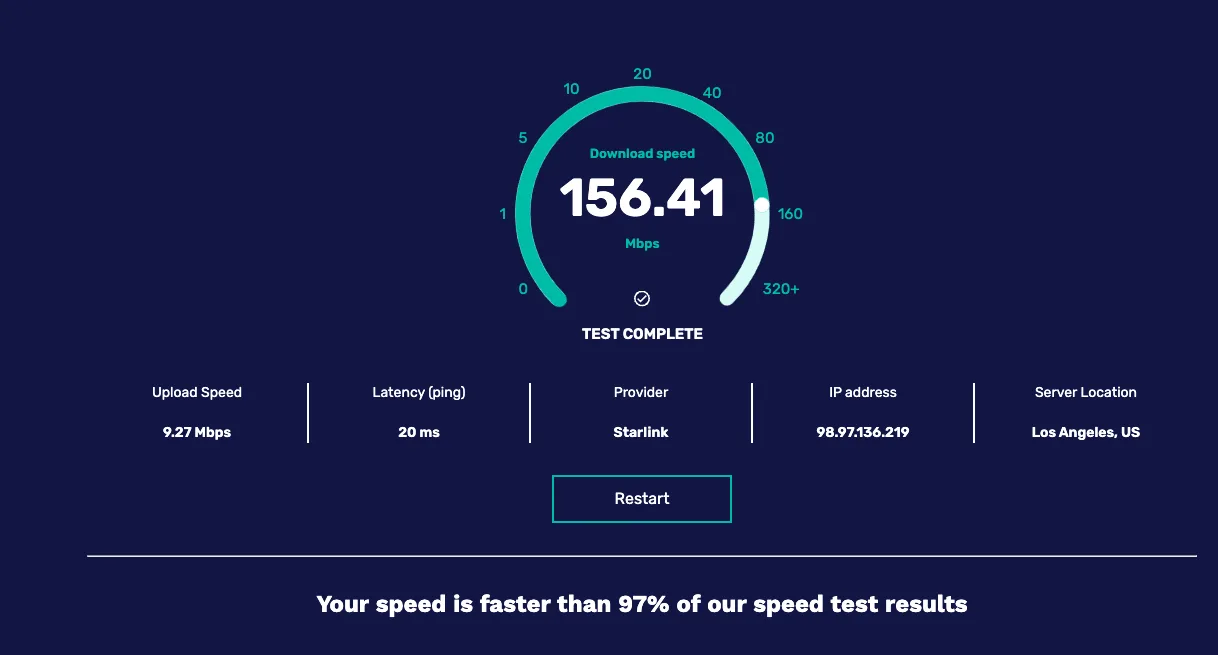
One of the outstanding advantages of Starlink is superior internet speed and low latency. With download speeds of up to 220 Mbps and latency ranging from 20–40ms, Starlink enables users to participate in online meetings, remote learning, gaming, or streaming movies without interruption. This is especially important for those working and studying remotely in areas lacking access to traditional networks.
3. Creating New Opportunities for Education
Stable and high-speed internet connectivity from Starlink allows students in underserved areas to attend online classes, access study materials, and interact with teachers and friends. Learning is no longer limited by geography or infrastructure, opening up educational and developmental opportunities for millions in challenging areas.
4. Supporting Remote Healthcare
Starlink not only addresses educational issues but also helps expand remote healthcare services, especially in areas without hospitals or nearby medical facilities. Doctors can provide online consultations via video calls, diagnose, and monitor the health of residents without the need for long-distance travel, saving time and costs.
Starlink in Vietnam
Vietnam has granted permission for SpaceX to pilot the Starlink service in certain areas, particularly rural and remote regions where traditional internet services are unavailable. The application of Starlink helps improve living standards, create learning and working opportunities, and foster economic development for residents in these areas.
Conclusion
Starlink is not just an internet connectivity solution but a significant advancement in addressing connectivity issues in underserved areas. With the ability to provide stable, high-speed connectivity at reasonable costs, Starlink is helping to bridge the digital divide between regions, providing new opportunities for learning, work, and sustainable development in areas with challenging infrastructure.