 English
  Tiếng Việt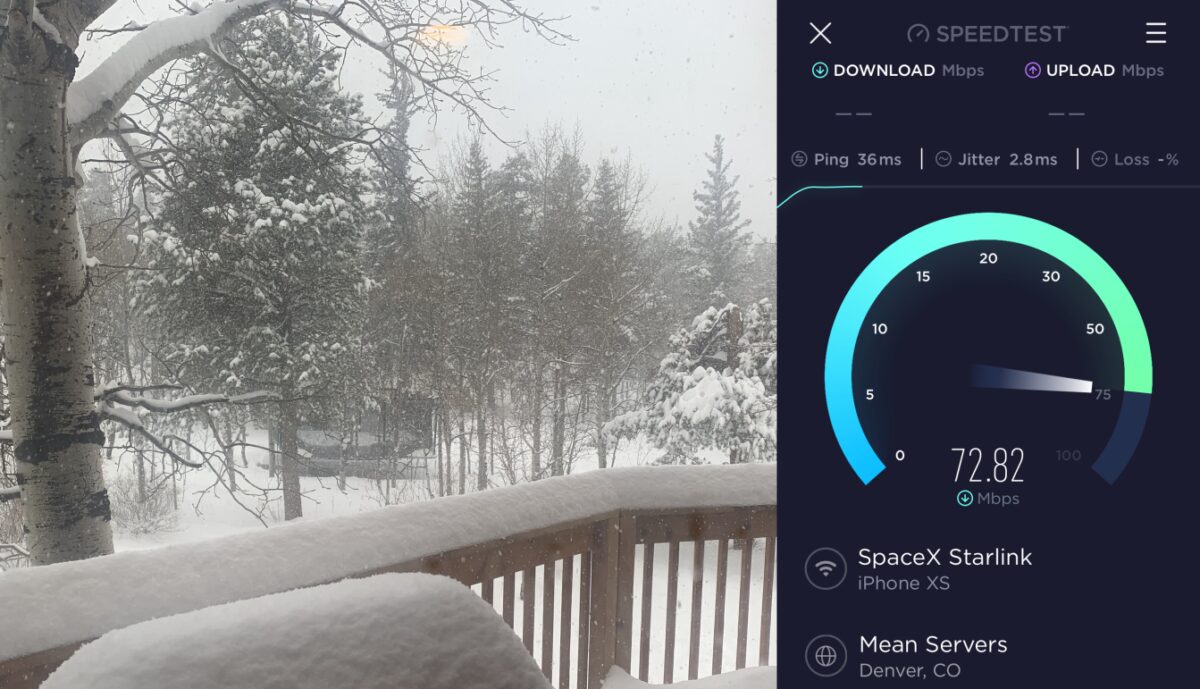
1. The impact of bad weather on satellite Internet
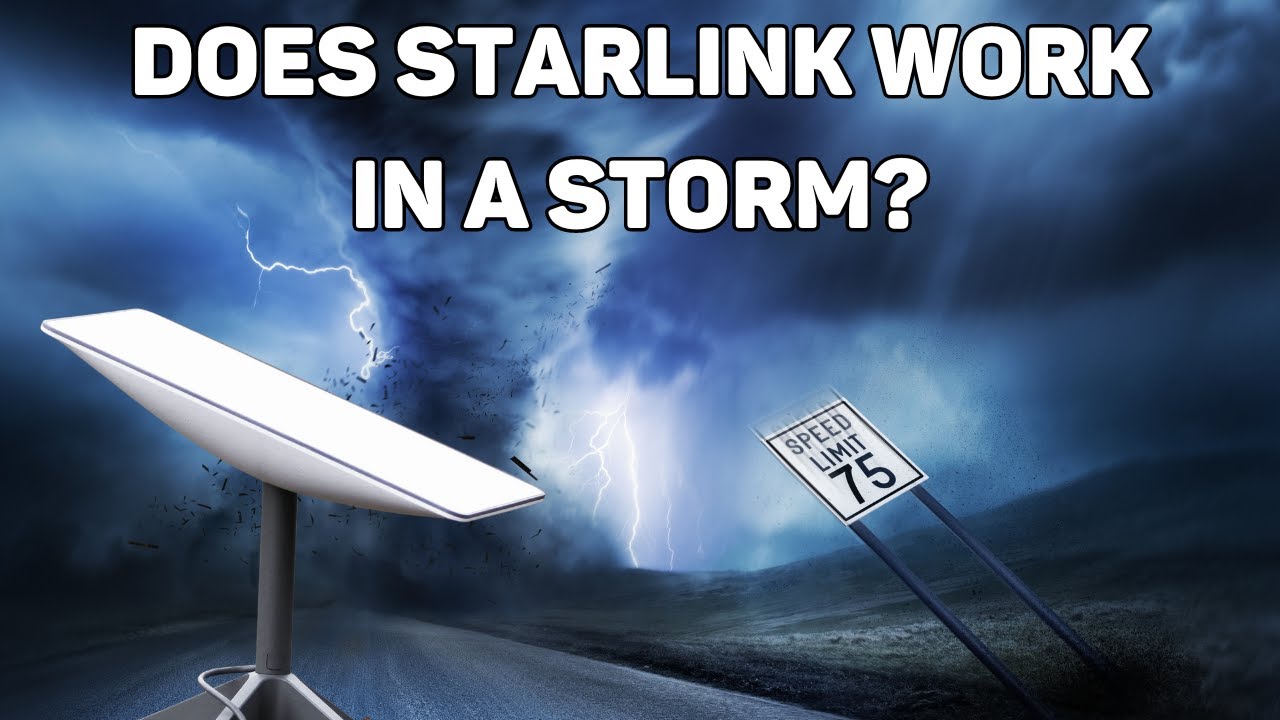
Weather conditions can affect satellite internet:
| Type of weather | Main impact |
|---|---|
| Heavy rain, large storms | Signal absorption and scattering, causing attenuation |
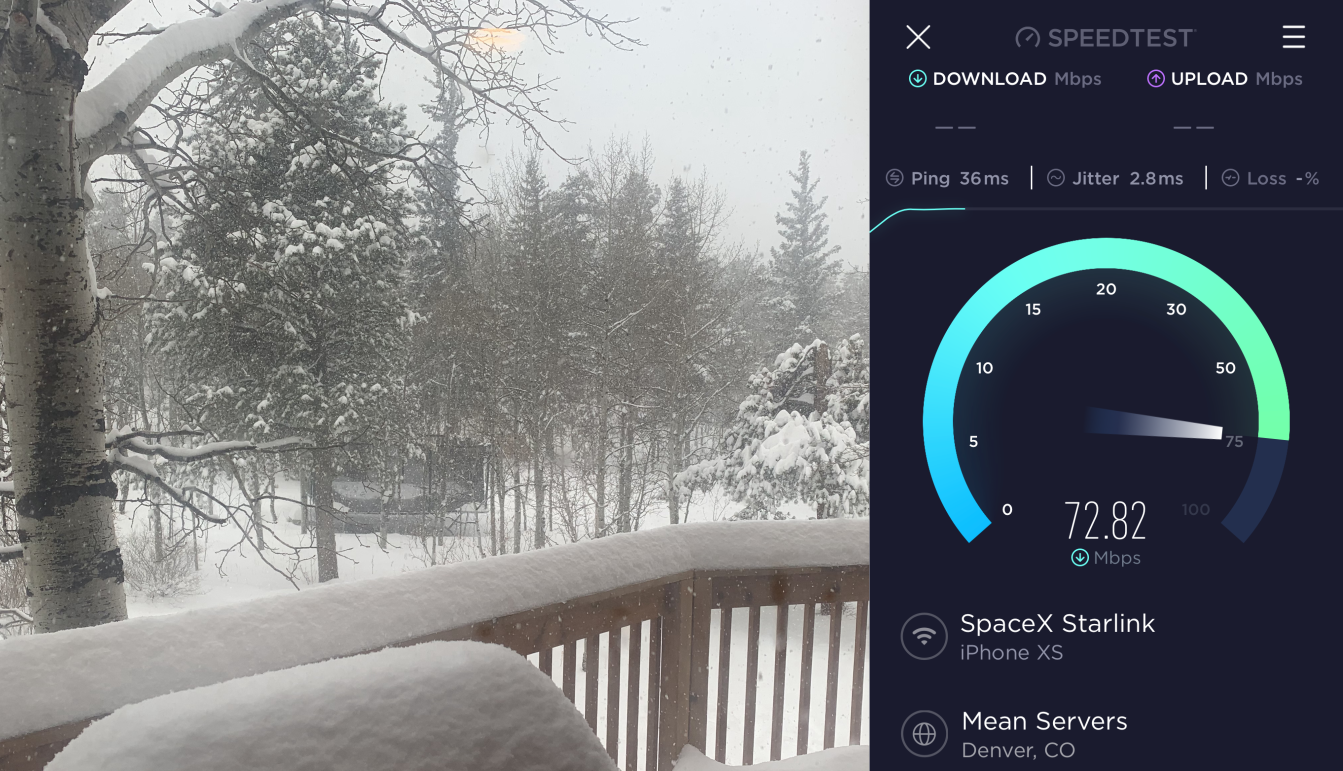
| Thick snow | Freezing of the receiving dish, reducing signal |
| Strong winds | Misalignment of receiving and transmitting antennas |
| Thick clouds, lightning | Causing interference with high-frequency electromagnetic waves |
This phenomenon is called “rain fade” – signal attenuation due to rain.
2. How does satellite Internet overcome bad weather?
Signal attenuation compensation technology
Systems like Starlink use Ku and Ka bands with automatic adjustment capabilities:
-
Increase transmission power when detecting bad weather
-
Flexible frequency switching to avoid interference
-
Switching between multiple satellites (mesh routing) to ensure stable transmission
3. Real-world results: Does satellite internet lose signal?
Many tests show:
-
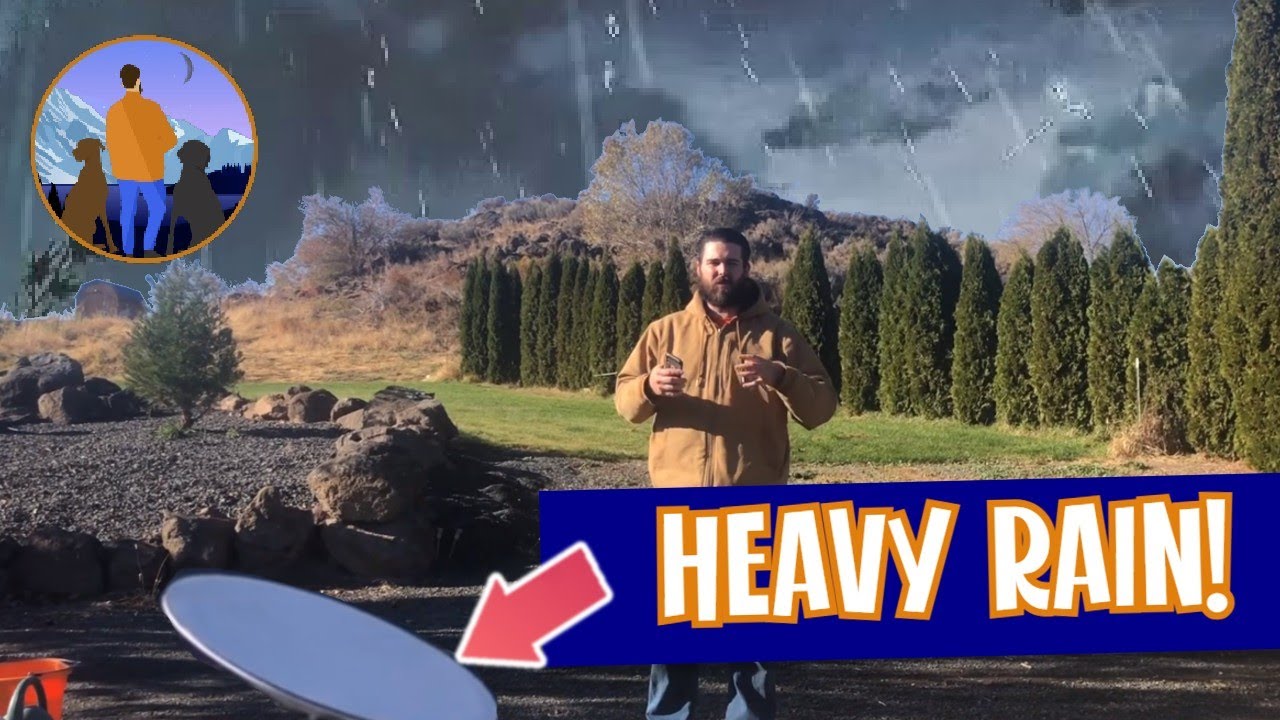
Speed may slightly decrease (~10-30%) during heavy rain
-
No complete disconnection, unless there is a major storm of level 10 or higher
-
Signal loss duration (if any) usually lasts only a few minutes
4. How to optimize satellite internet performance in bad weather
-
Install the dish in an open, high place, avoiding obstructing trees
-
Regularly clean snow/dust off the antenna
-
Use modern devices with waterproof and self-heating features (like Starlink Gen 2)
-
Install additional LTE backup devices if operating in areas with frequent storms
5. Comparing weather resistance between satellite internet and other technologies
| Technology | Light rain | Light rain | Heavy rain / Storm | Snowfall |
|---|---|---|---|---|
| Starlink satellite Internet | Minor impact | 10-20% speed reduction | 30-50% speed reduction | Ability to self-heat |
| Traditional satellite Internet | Medium impact | 30-50% speed reduction | Connection loss | Requires manual intervention |
| Fiber optic | No impact | No impact | Risk of cable breakage | No impact |
| 4G/5G | Minor impact | Medium impact | Large impact | Medium impact |
Video on Starlink Internet's weather resistance
Conclusion
Despite being affected to some extent by the weather, Satellite internet remains a reliable solution in challenging terrains or areas without fiber optic networks. With advanced technology, connection loss due to bad weather is increasingly minimized.