 English
  Tiếng Việt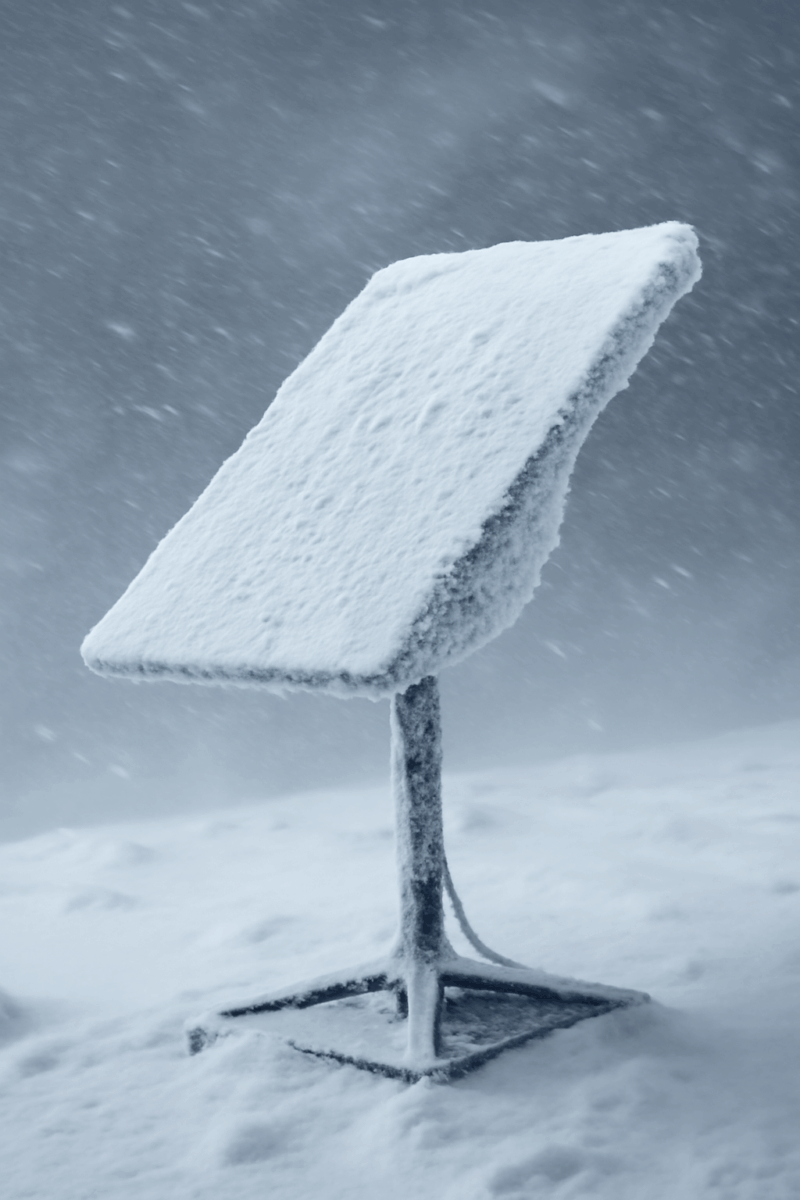
1. Introduction
Maintaining a stable Internet connection in adverse weather conditions is a challenge for most current types of connections, including both traditional Fiber Optic Internet and Starlink satellite network. With the development of satellite technology, Starlink promises to provide high-speed Internet solutions for every region in the world. However, network performance in weather conditions such as rain, snow, and sleet shows significant differences between Starlink and traditional Internet.
This article will delve into the performance of Starlink and traditional Internet in adverse weather conditions, helping you gain a comprehensive view to choose the appropriate service.
2. Impact of adverse conditions on Internet connection
2.1 Impact on fiber optic Internet
Fiber optic Internet uses optical fiber cables to transmit light signals instead of electrical signals. This allows for very fast and stable data transmission under normal conditions. However, in adverse conditions, fiber optics can encounter some serious issues.
-
Heavy rain and storms: Although fiber optics have good water resistance, factors such as heavy rain, strong winds, or storms can damage switching stations and signal amplifiers, disrupting service.
-
Snowstorms: Snow and ice can cover switching equipment and cables, causing dangerous disruptions in connection. When snow falls, ice accumulates on cables, and signal quality can degrade or be completely lost.
2.2 Impact on Starlink
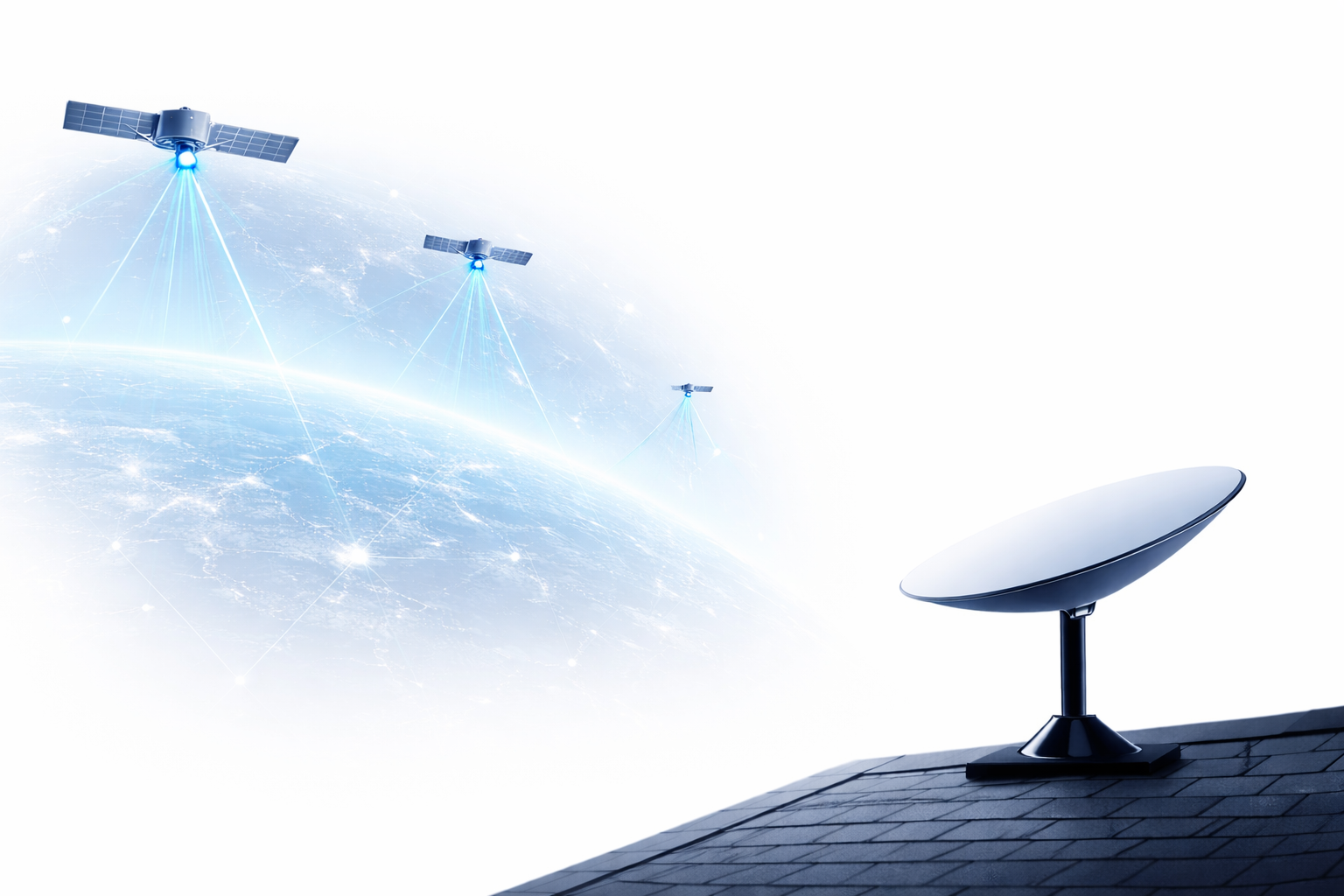
Starlink, with its low Earth orbit (LEO) satellite system, may face some challenges in adverse conditions. However, with technological advancements, this satellite network can maintain better connectivity compared to geostationary (GEO) satellites.
-
Heavy storms: Heavy rain or storms can affect satellite signals, reducing bandwidth and stable connection speeds. However, by using low Earth orbit (LEO) satellites, Starlink's latency is only around 20–40 ms, helping to minimize the impact of rain on GEO satellites.
-
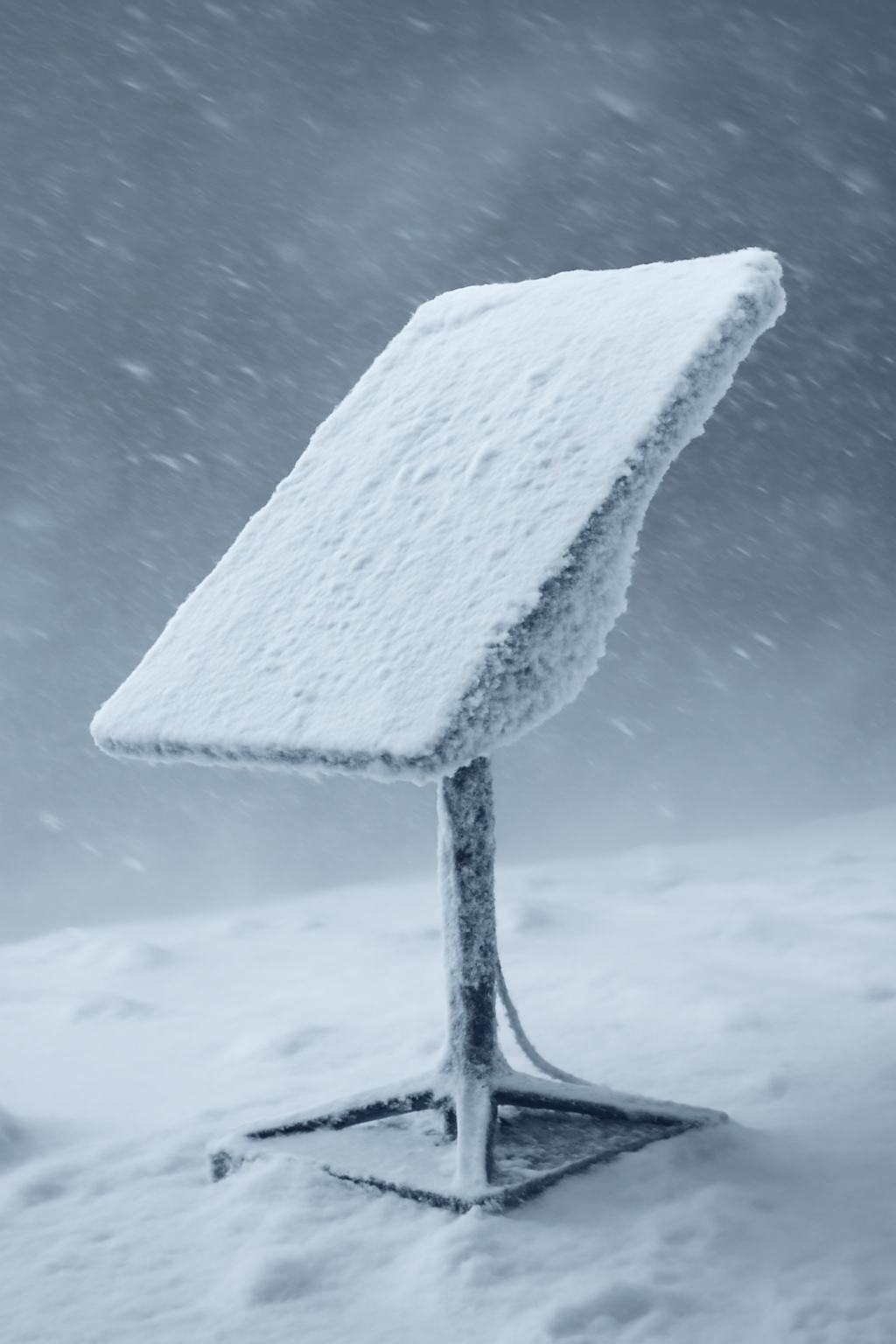
Snow and ice: Similar to ice, snow and ice can affect the performance of Starlink, but only if the snow is too thick or accumulates on the transceiver dish. This can degrade the signal; however, the satellite protection can maintain a good connection in light to moderate snow conditions.
-
Thunderstorms: Thunderstorms can affect protective connections, especially in areas with storms. However, Starlink uses advanced protection technology to minimize the impact of electrical interference, and the protective network can continue to operate even in these conditions.
3. Performance comparison in adverse conditions
3.1 Connection stability in rain and storms
-
Fiber optic: Heavy rain and storms can disrupt fiber optic network connections, especially in areas with weak infrastructure or cables susceptible to weather. However, in major cities with modern infrastructure, fiber optics remain more stable than the protective network in light to moderate rain.
-
Starlink: Starlink can maintain a connection even in moderate rain, but heavy rain or large storms can degrade the signal. Although Starlink has latency, heavy rain obstructing the protective signal will reduce bandwidth.
3.2 Transmission speed and speed in snow and ice
-
Fiber optic: When snow and ice accumulate on cables or relay stations, signal quality can gradually decrease, leading to reduced transmission speeds. However, when transmitting signals through fiber optic cables, these issues have less impact on satellite protection.
-
Starlink: Thick snowfall and ice accumulation on the Starlink transceiver dish can reduce the signal. Nevertheless, in mild or light conditions, Starlink can still maintain a good connection, but the speed will be affected.
3.3 Impact of signal interference and electromagnetic interference
-
Fiber optic: Fiber optics are less affected by signal interference or electromagnetic interference. The fiber optic system is well-protected from these activities, thanks to the use of insulating materials and protective measures.
-
Starlink: Thunderstorms and electromagnetic interference can disrupt signal protection time, but they are not as dangerous as GEO satellites. Starlink is protected to minimize the impact of lightning.
4. Detailed comparison table of Starlink and Fiber Optic Internet under adverse conditions
| Criteria | Starlink | Fiber Optic Internet |
|---|---|---|
| Connection Technology | Low Earth Orbit (LEO) satellite | Fiber optic cable |
| Download Speed | 100 – 300 Mbps (may vary over time) | 100 Mbps – 10 Gbps (stable in good weather) |
| Latency | 20 – 40 ms | 1 – 5 ms |
| Impact of heavy rain | Signal and speed reduction, temporary interruption | Signal reduction if rain affects equipment, cables |
| Impact of severe storms | Temporary connection disruption, self-recovery capability | May lose entire connection if cables are maintained or equipment is damaged |
| Impact and snow/ice | Signal degradation when snow/ice accumulates on the antenna | Signal reduction due to snow/ice accumulation on equipment or cables |
| Frequency interference, electrical noise | Pause segment, high anti-interference technology | Good protection system, minimal impact |
| Coverage capability of escape area | Global coverage, including | Mode dependent on infrastructure network |
| First mount key | High (special detection equipment) | Lower, dependency on the field and low level |
| Easy installation | Easy, user can self-mount | Must pull cables, requires manpower and time |
5. optimize the performance of the law in adverse conditions
5.1 With Starlink
-
Develop equipment with snow resistance, care, and waterproof capabilities.
-
Enhance antenna cleaning technology and strengthen laser link power between protective panels to ensure stable signals.
-
Enhance password protection and diversify religion to reduce deadly waves.
5.2 With Fiber Optic Internet
-
Improving materials and cable design to enhance the ability to address environmental issues.
-
Enhancing maintenance and building backup stations to quickly resolve issues.
-
Applying modern anti-interference technology to keep signals stable under all conditions.
6. Conclusion
Starlink and Fiber Optic Internet both have strengths and limitations when operating in adverse conditions. Fiber Optic Internet has high stability and slow speed in stable environments, but images can be easily affected by storms, heavy rain, or snow. Starlink stands out with its coverage capability, flexibility, and is particularly effective in remote areas lacking infrastructure, but it can still be affected by adverse weather such as heavy rain.