 English
  Tiếng Việt
1. Overview of the Starlink satellite network
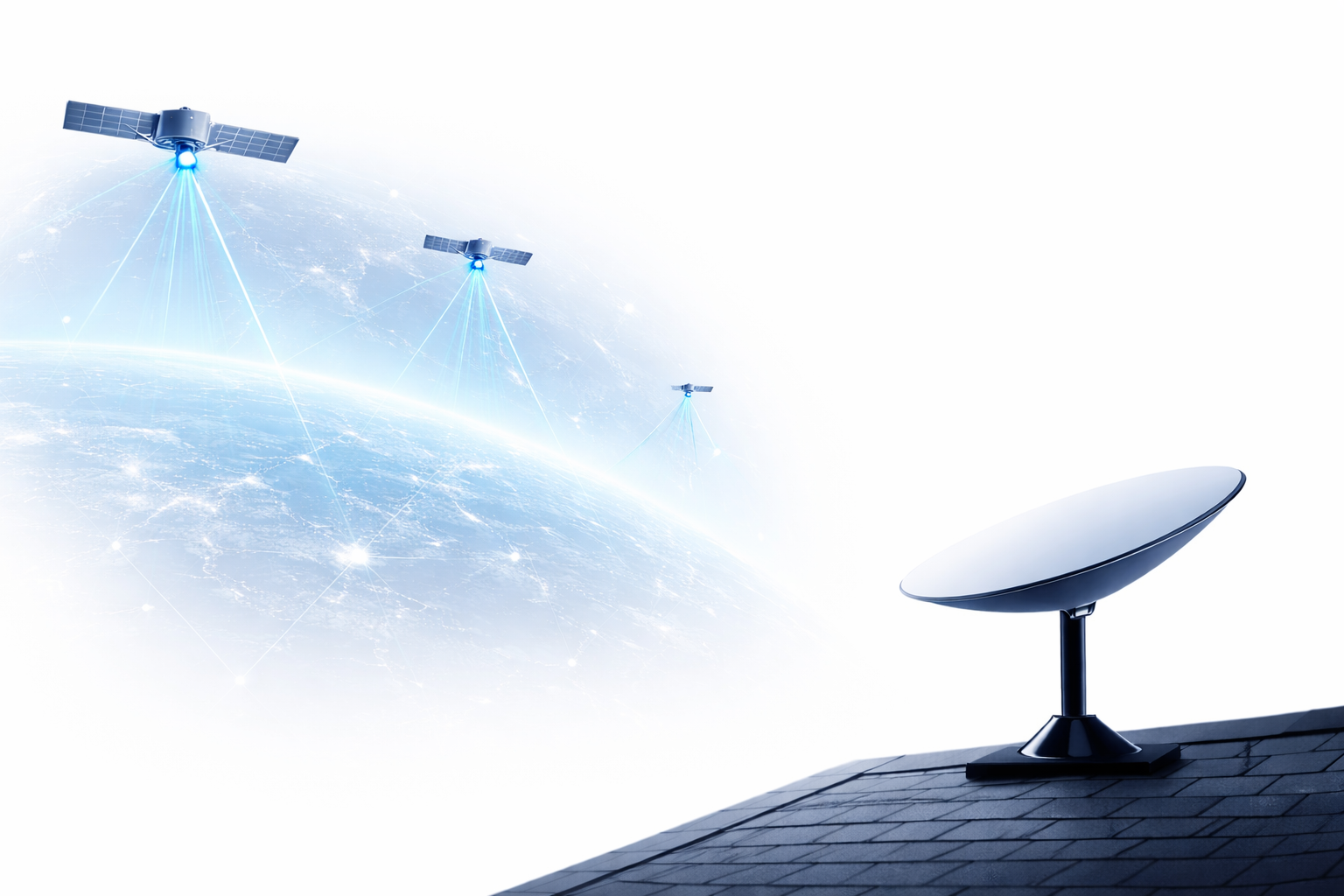
Starlink, the global satellite Internet network project developed by SpaceX, is one of the most significant telecommunications technology initiatives of the past decade. The project's goal is to provide high-speed, low-latency broadband Internet service, especially in remote areas lacking traditional telecommunications infrastructure.
With a network design consisting of tens of thousands of small satellites placed in low Earth orbit (LEO), Starlink represents a blend of reusable rocket technology, advanced satellite design, and breakthrough data transmission networks.
2. Satellite production and launch preparation process
2.1 Starlink satellite design
Starlink satellites are designed to be lightweight, approximately 260 kg, integrating electronic phased array antennas and optical laser links to create a high-performance inter-satellite network. This design aims to optimize data transmission capabilities and reduce launch costs.
2.2 Production and testing
SpaceX implements a modern production process with high automation at its own factories, ensuring synchronization and satellite quality. The rigorous testing process includes vibration, temperature, vacuum, and radiation environment tests to ensure the satellites can operate stably in the harsh conditions of space.
2.3 Packaging and integration
Satellites are packaged in clusters and integrated into the payload section of the Falcon 9 rocket. This task requires high precision coordination to optimize space and ensure satellite safety during launch.
3. Satellite launch technology with Falcon 9
3.1 Falcon 9 rocket – Reusable launch platform
Falcon 9 is a two-stage reusable launch vehicle from SpaceX, helping to reduce launch costs and increase satellite launch frequency. Equipped with modern Merlin engines and advanced control systems, Falcon 9 can transport multiple Starlink satellites simultaneously to LEO.
3.2 Launch and deployment process
The Falcon 9 launch process includes:
-
Ignition and liftoff from the launch pad (Cape Canaveral or Vandenberg).
-
The first stage separates and lands successfully, reused for subsequent flights.
-
The second stage continues to propel the satellites to low orbit.
-
Deployment of the Starlink satellite cluster using a specialized launch mechanism, with satellites automatically extending solar panels and transceivers.
4. Deployment of satellites in LEO orbit
4.1 Orbit adjustment
After separating from the rocket stage, the Starlink satellite activates the ion propulsion system to accurately adjust the orbit, maintaining distance and position within the LEO satellite network.
4.2 Establishment of inter-satellite network
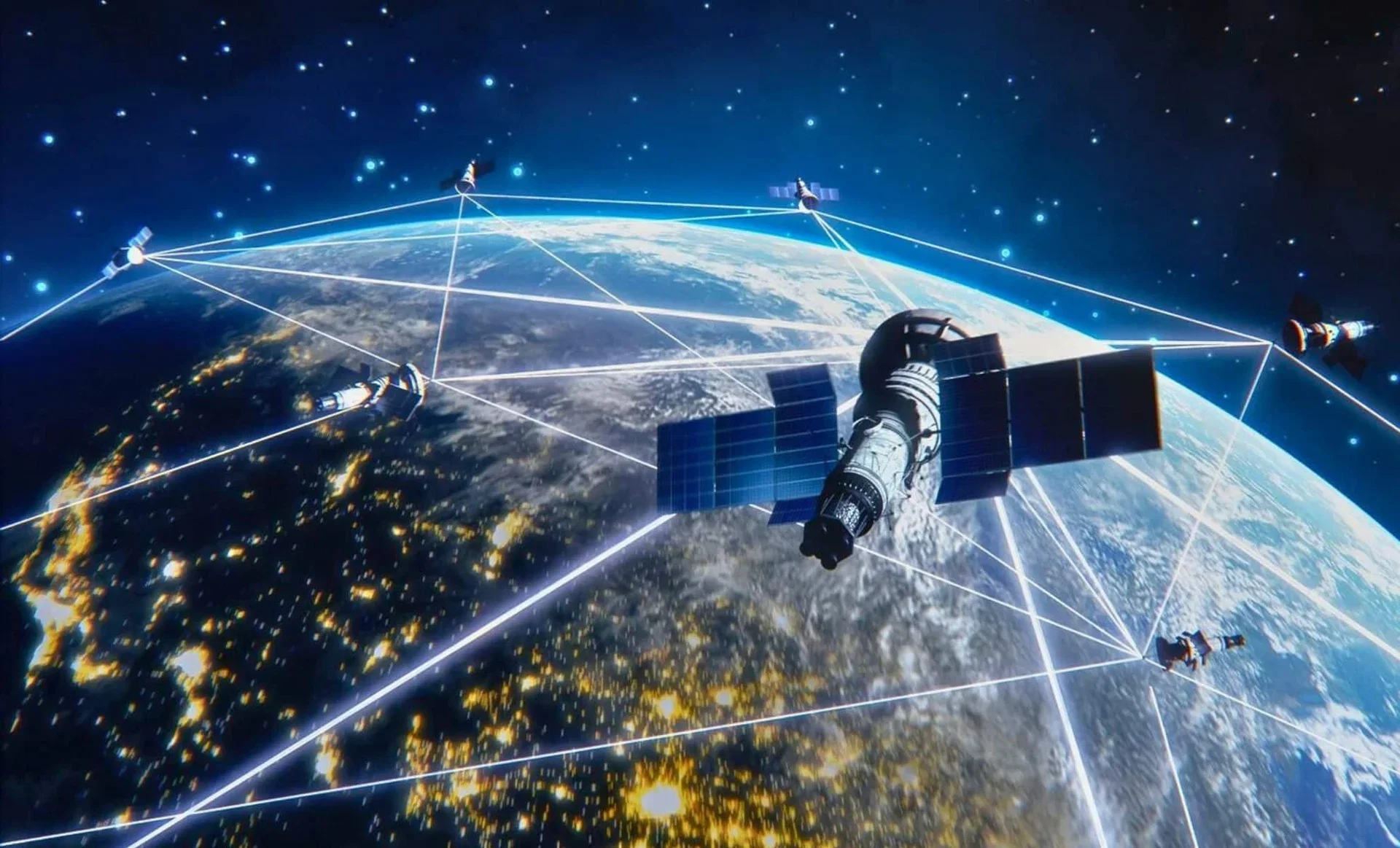
The satellite is equipped with optical laser links allowing direct connection with neighboring satellites. This network forms a distributed data transmission system, optimizing transmission performance and reducing latency.
5. Monitoring and operating the satellite network
5.1 Ground monitoring system
Ground stations play a role in managing and coordinating the satellite network. Advanced software systems monitor the entire network, detect errors, adjust orbits, and manage bandwidth.
5.2 Remote software updates
Satellites and user devices are automatically updated with firmware, improving performance, fixing security vulnerabilities, and enhancing new features without the need for direct dispatch.
6. Impact and technological significance
6.1 Contribution to global telecommunications infrastructure
Starlink expands Internet access capabilities for remote areas, helping to bridge the digital divide and promote socio-economic development.
6.2 Impact on the rocket and satellite industry
The success of Falcon 9 and Starlink sets a new standard for launch costs, satellite technology, and communication networks.
7. Challenges and prospects
7.1 Space debris and orbit management
Large-scale satellite networks create pressure on space debris management and collision avoidance, requiring technical solutions and international policies.
7.2 Frequency coordination and network security
A strict international frequency coordination mechanism and a modern satellite network security system are needed to protect privacy and information security.
8. Conclusion
The journey of launching Starlink satellites from SpaceX to Earth's orbit is a sophisticated coordination of reusable rocket technologies, next-generation satellites, and advanced transmission networks. The success of the Starlink project not only provides a global satellite Internet network with superior speed and latency but also promotes the development of the space and telecommunications industry in the digital era.