 English
  Tiếng Việt
What is satellite internet latency?
Độ trễ is the time it takes for a signal to travel from the device to the satellite and back. This is an important factor affecting activities that require quick responses such as gaming, video callshoặcremote control.What is the latency of different types of satellite internet?
Satellite internet latency depends on the type of orbit:
-
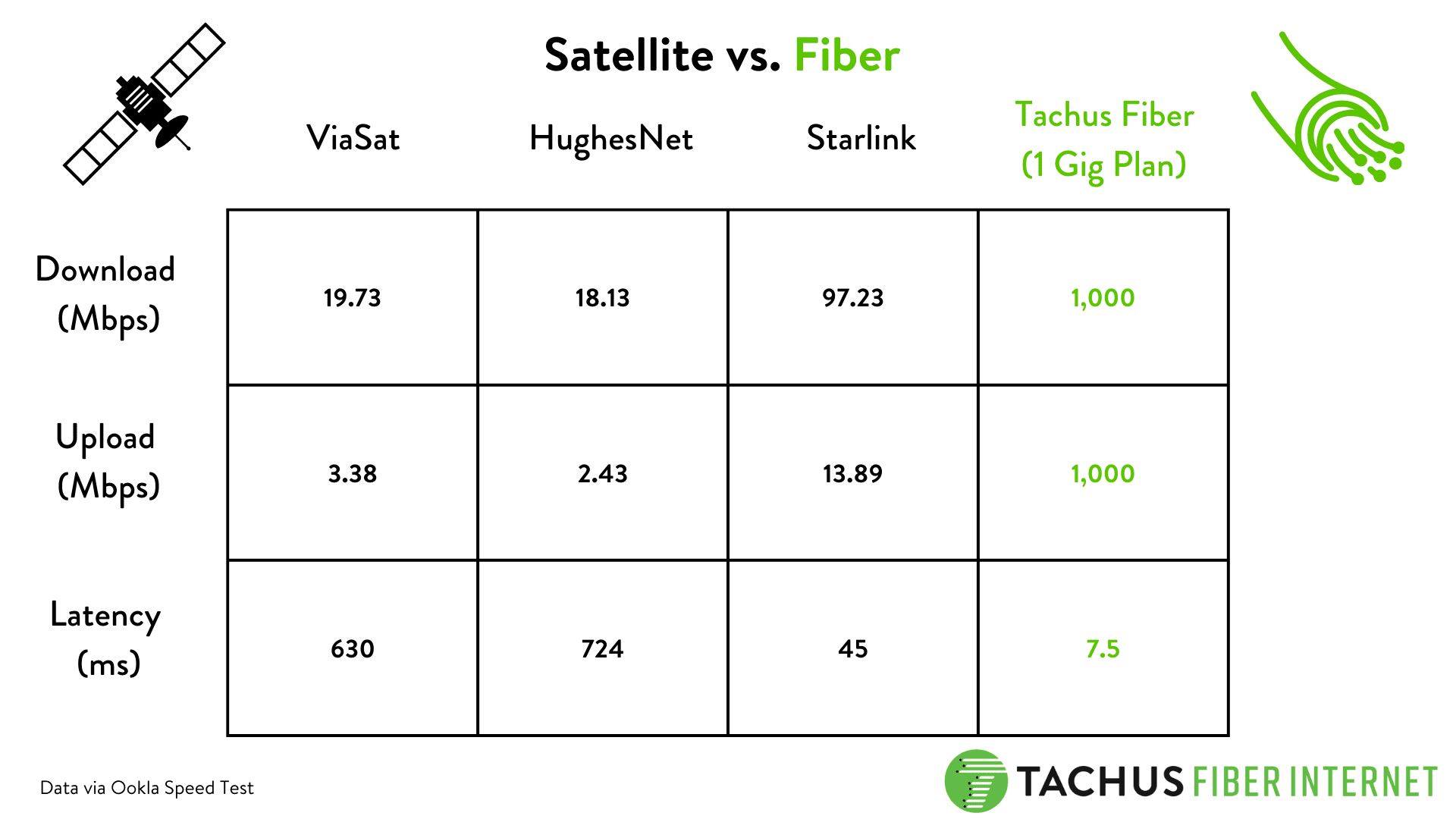
Low Earth Orbit satellites (LEO, e.g., Starlink):
-
Latency: 25–60ms (on land), 100+ms (remote areas)
-
Nearly equivalent to traditional cables
-
-
Geostationary Orbit satellites (GEO):
-
Latency: 500–700ms
-
Due to the distance of ~35,786 km
-
Comparison with other technologies:
-
Copper cable: 18–24ms
-
Fiber optic: 5–12ms
-
4G/5G: 30–100ms (depending on coverage area)
How does satellite internet latency affect user experience?
-
Online gaming:
-
Latency < 40ms: Smooth gameplay
-
Latency > 100ms: Laggy
-
Starlink: 20–30ms, stable gaming
-
-
Video call/online meeting:
-
< 150ms: Good communication
-
300ms: Noticeable delay
-
Starlink meets video call needs well
-
-
Web browsing & video watching:
-
Low latency → faster web loading
-
Video watching less affected by latency
-
Livestreaming requires low latency for stability
-
-
Remote control/IoT:
-
Requires low latency
-
GEO not suitable
-
LEO supports IoT in remote areas
-
Factors affecting satellite internet latency
-
Distance to the ground: Main factor affecting latency
-
Thời tiết xấu: Rain and wind increase latency, reduce speed
-
Geographical location: Near the equator → lower latency than polar regions
-
Tắc nghẽn mạng: Peak hours cause higher latency
-
New technology: Satellites using laser links help reduce latency
Kết luận
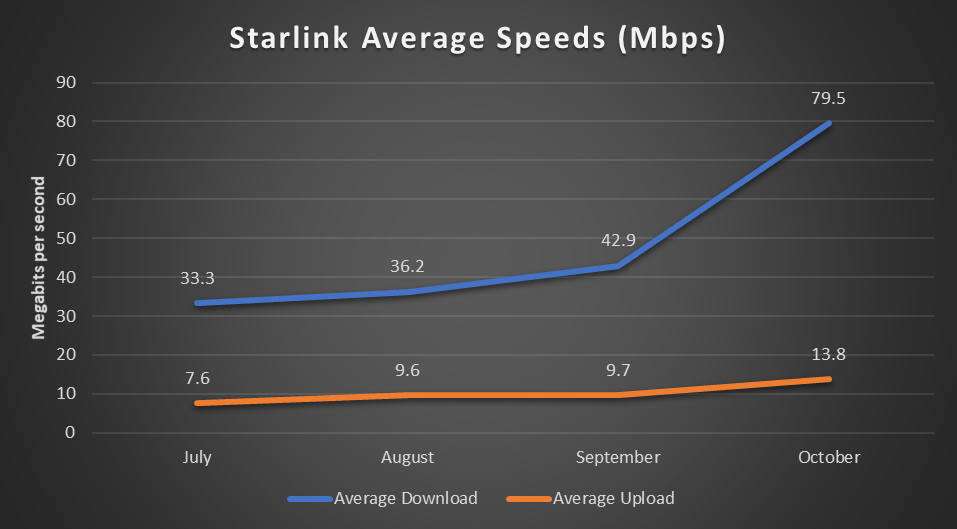
LEO satellite internet like Starlink achieves latency of 25–60ms, nearly equivalent to copper cables, supporting gaming, video calls, IoT well.
Despite limitations due to weather and high costs, this is an effective solution for remote areas.
New technology promises to continue reducing latency, enhancing network experience.