 English
  Tiếng Việt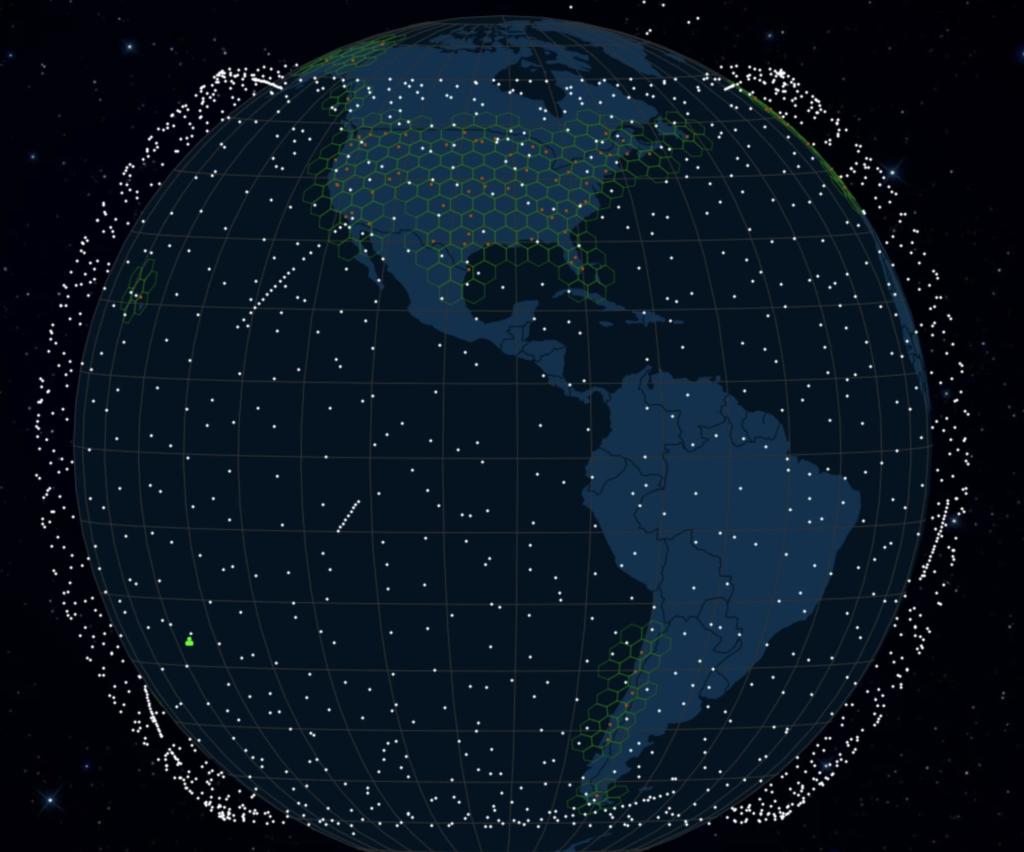
1. Introduction to Starlink
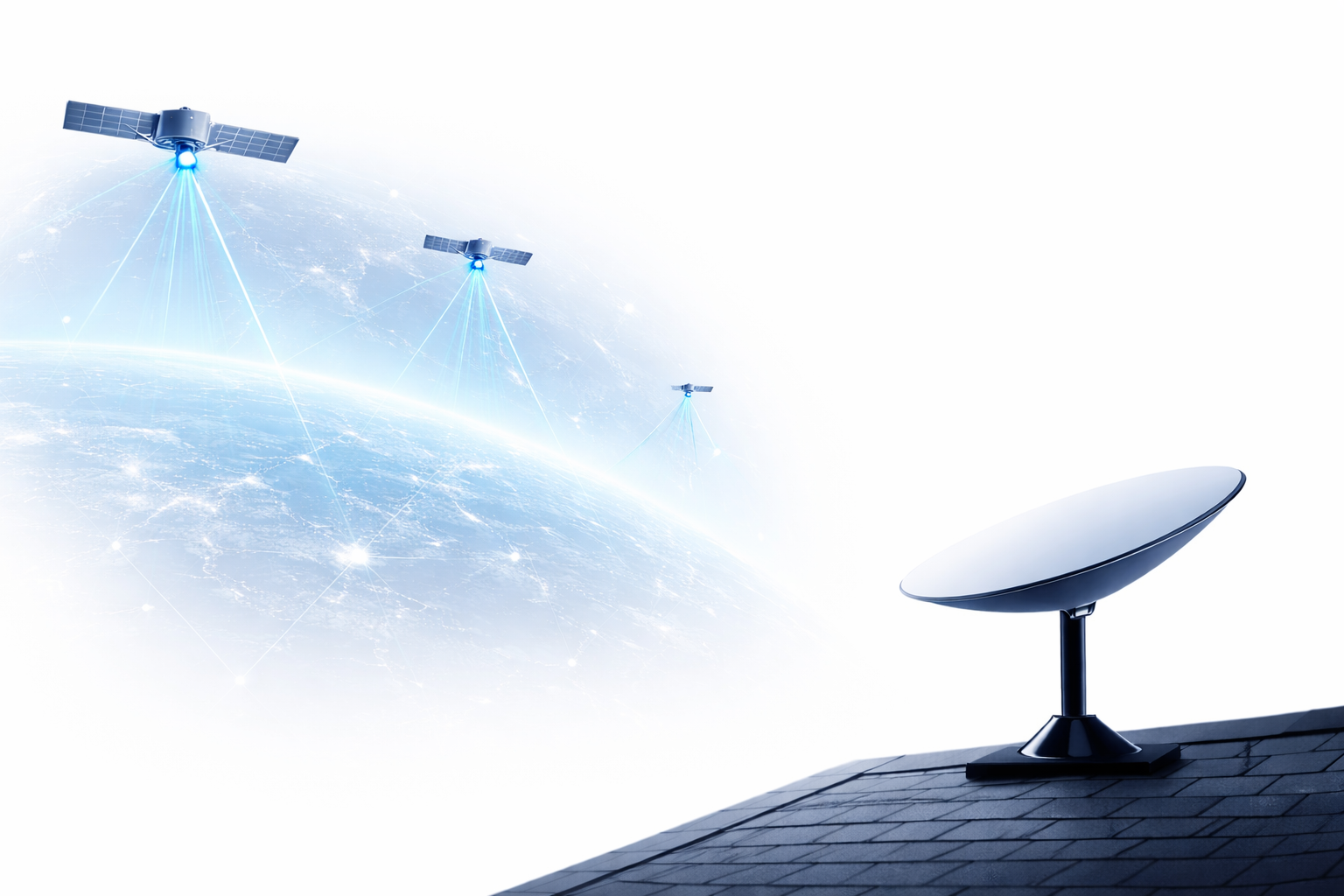
Starlink is an internet satellite network project developed by SpaceX — the space company founded by Elon Musk — with the goal of providing high-speed, low-latency internet globally. With thousands of satellites launched into low Earth orbit (LEO), Starlink offers network connectivity solutions for remote areas lacking traditional internet infrastructure.
The breakthrough of Starlink lies not only in the large number of satellites but also in the advanced technologies integrated into each satellite and the entire network system.
2. Low Earth Orbit (LEO) Satellite Technology – The Heart of Starlink
2.1 Advantages of Low Orbit
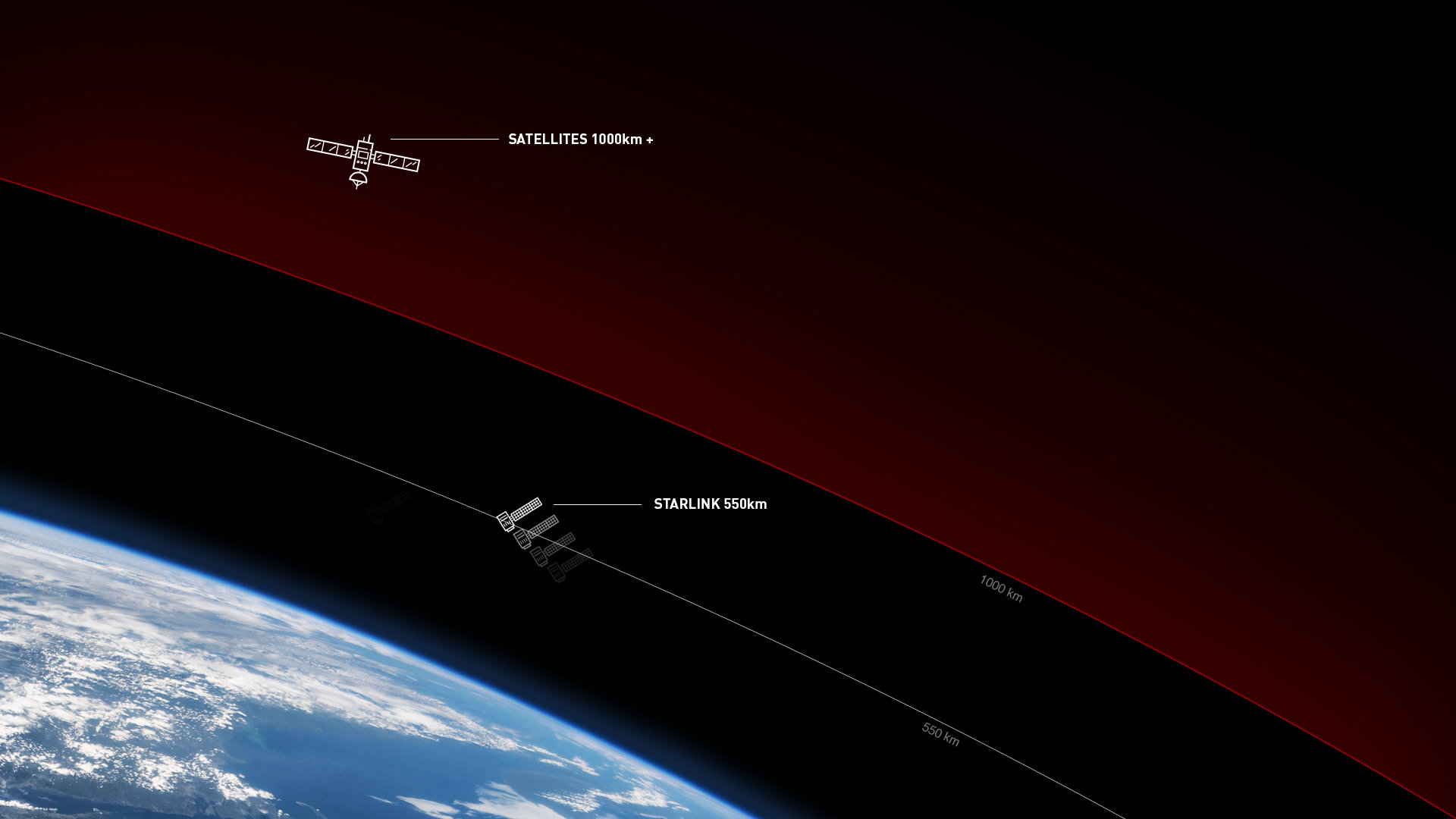
Unlike traditional geostationary satellites located about 36,000 km from the ground, Starlink satellites operate in low orbit ranging from 340 to 1,200 km. This brings many advantages:
-
Low latency: The short signal path helps reduce latency to 20-40 ms, equivalent to fiber optic networks.
-
High speed: Enables faster data transmission, meeting the demands of streaming, gaming, and online conferencing.
-
Easily replaceable and upgradeable: Satellites have a short lifespan (about 5-7 years), making it easy to launch replacements and upgrade to new satellite generations.
2.2 Large-scale Satellite Network
-
SpaceX plans to deploy over 40,000 satellites, creating the largest satellite network ever.
-
The satellites are arranged in interleaved orbital rings, ensuring continuous global coverage.
-
Compact satellite design with lightweight, helping to save launch costs.

3. Optical Laser Links – Advanced Data Relay Technology
3.1 Satellite Links via Laser
Starlink uses optical laser links between satellites to quickly transmit data, instead of having to relay signals back to ground stations first.
-
Laser beams have very large bandwidth, enabling high-speed data transmission between satellites.
-
Significantly reduce latency, increase stability and network bandwidth.
3.2 Benefits of laser links
-
The network becomes a mesh network system in orbit.
-
Flexible data routing capability, automatically rerouting when a satellite encounters a problem.
-
Reduce dependence on ground stations, expand coverage to remote areas without stations.
4. Starlink Transceiver Dish – Breakthrough User Device
4.1 Antenna design and technology
-
The Starlink Transceiver Dish (User Terminal) uses a phased array antenna that allows for quick, precise beam steering without mechanical movement.
-
The antenna can automatically track satellites in the sky, maintaining continuous connection as satellites move.
4.2 Automatic installation and operation
-
Users only need to place the transceiver dish in a location with a wide view of the sky, and the device will automatically find satellites and connect.
-
Integrated control software helps optimize signal, automatically update firmware.
4.3 Weather resistance and durability
-
The transceiver dish design withstands rain, snow, strong winds, and extreme temperatures.
-
Automatically cleans the surface to maintain signal reception performance.
5. Software and AI for satellite network management
5.1 Optimizing satellite orbits and operations
-
SpaceX applies artificial intelligence and machine learning (AI/ML) to optimize satellite orbits, minimizing collision risks.
-
AI analyzes operational data to predict and address errors before they occur.
5.2 Network coordination and bandwidth management
-
Intelligent coordination software efficiently allocates bandwidth between satellites and users.
-
Ensure consistent service quality, reduce network congestion.
5.3 Automatic updates and maintenance
-
The system automatically updates software for satellites and user devices, upgrading features and security.
-
Minimize manual intervention, enhance reliability.
6. Technical challenges and solutions
6.1 Space debris and collision management
-
Large satellite networks create risks of space debris and collisions.
-
SpaceX deploys collision avoidance algorithms and plans reasonable launches.
-
Starlink satellites are designed to self-destruct or deorbit at the end of their lifecycle.
6.2 Spectrum competition and signal interference
-
International coordination is needed to manage operating frequencies and avoid interference.
-
SpaceX collaborates with regulatory agencies to ensure compliance with regulations.
6.3 Security and privacy
-
The satellite network requires high-security solutions to prevent cyber attacks.
-
Starlink uses strong encryption and continuous software updates.
7. The future of Starlink and satellite internet networks
-
SpaceX plans to launch new generations of satellites with improved antenna technology and greater bandwidth.
-
Satellite network applications in 5G connectivity, IoT, and diverse wireless communication services.
-
Expanding coverage to island, maritime, and aviation areas.
-
Many countries and organizations collaborate to develop the global satellite ecosystem.
Conclusion
The breakthrough technology of the Starlink satellite network, from low orbit, optical laser links to transceiver devices and AI network management software, is creating a revolution in global internet connectivity. Starlink not only extends internet access to remote areas but also enhances user experience with high speed, low latency, and superior stability. Despite facing many technical and legal challenges, Starlink is an important stepping stone for the future of modern and comprehensive satellite internet networks.