
 English
  Tiếng Việt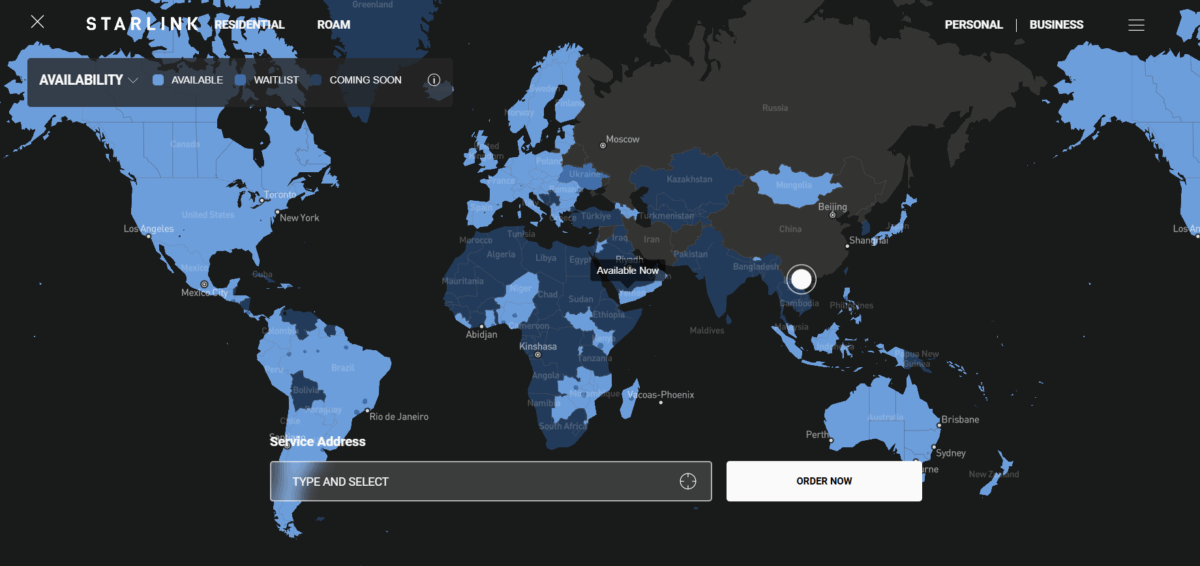

1. Introduction
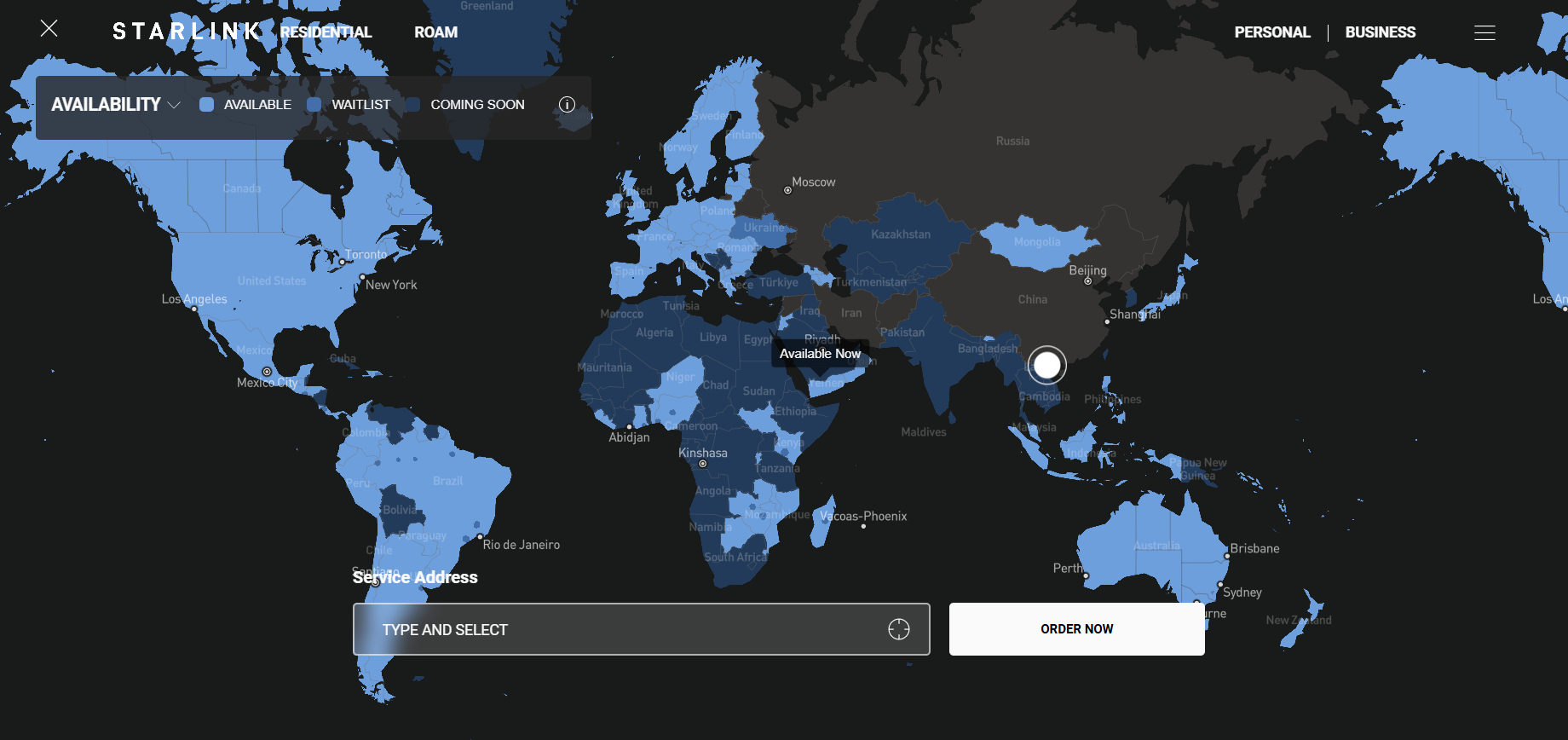
SpaceX's Starlink satellite network is reshaping the global telecommunications industry with the goal of providing high-speed broadband internet to every corner of the planet. Particularly, the strategy to cover remote areas – places left behind in the digital revolution – is a strategic focus that helps Starlink tap into markets not effectively served by traditional carriers.
This article analyzes in detail Starlink's strategy and approach in providing internet coverage to remote areas around the world.
2. Telecommunications infrastructure challenges in remote areas
2.1 Limitations of traditional infrastructure
-
Remote areas often have complex terrains: high mountains, dense forests, distant islands, etc.
-
Building fiber optic cables or mobile broadcasting stations is costly and technically challenging.
-
The cost of maintaining and operating the infrastructure is high compared to the small number of users.
2.2 Geographical distance and sparse population
-
The scattered population and low density lead to a lack of economic viability for traditional carriers.
-
Broadband connectivity is limited due to lack of infrastructure, leading to an increasing digital divide.
3. The role of Starlink in bridging the digital divide
3.1 Low Earth Orbit (LEO) satellite technology
-
Starlink satellites operate in low Earth orbit (LEO), ranging from 340 to 1,200 km above the ground, minimizing latency and increasing transmission speed.
-
A network of thousands of satellites connected via laser links forms an efficient and stable data transmission system.
3.2 Easy-to-install user transceiver equipment
-
The compact Starlink transceiver dish can automatically orient to connect with satellites, suitable for users in remote areas without technical teams.
-
No complex ground infrastructure is required, only a power source and a location with a clear view of the sky.
4. Starlink's coverage deployment strategy in remote areas
4.1 Identify priority areas and allocate satellites
-
Starlink focuses on launching satellites to cover areas with high internet demand but lacking infrastructure, such as mountainous regions, islands, and rural areas.
-
Plan optimal satellite allocation to ensure continuous coverage, avoiding dead zones.
4.2 Collaborate with governments and local organizations
-
Sign cooperation agreements with governments and non-profit organizations to implement social coverage programs.
-
Enhance communication, provide technical guidance to users, ensuring effective service usage.
4.3 Financial support and equipment incentives
-
Offer preferential packages, financial support for residents in economically disadvantaged areas.
-
Implement programs for leasing or subsidizing receiving equipment, reducing initial investment burden.
5. Operations and maintenance of remote coverage areas
5.1 Network monitoring and satellite management system
-
Use real-time monitoring systems, AI to coordinate data traffic and maintain the network.
-
Maintain stable connection performance, quickly address technical issues.
5.2 Network upgrade and expansion
-
Launch additional new satellites, update user and satellite software to improve quality and expand coverage.
-
Research and implement new technology to reduce costs and increase efficiency.
6. Notable projects and successful cases
-
Starlink provides Internet to remote areas in Alaska (USA), helping impoverished communities access quality services.
-
Remote island areas in Europe, particularly Scotland and Norway, are covered, supporting local economic development and education.
-
Disaster relief projects use Starlink to quickly establish connections when traditional infrastructure is damaged.
7. Challenges and Future Solutions
7.1 Limited Ground Station Infrastructure
-
Building ground stations in remote areas faces many difficulties in terms of terrain and cost.
-
Solution: Develop more efficient transceiver equipment, laser inter-satellite networks to reduce dependence on ground stations.
7.2 Cost and Accessibility
-
The cost of equipment and services remains high for many poor communities.
-
Solution: Expand subsidy programs, fund equipment, and build sustainable business models.
7.3 Climate and Environmental Conditions
-
Satellite signals can be affected by bad weather and complex terrain.
-
Solution: Optimize transceiver software, enhance signal processing technology, and integrate multi-source connectivity.
8. Conclusion
Starlink's coverage strategy in remote areas around the world is a groundbreaking step in bridging the digital divide and promoting socio-economic development. With modern LEO satellite technology, a dense satellite network, and user-friendly transceiver equipment, Starlink is gradually realizing the goal of sustainable and efficient global connectivity.
Close coordination between SpaceX, governments, social organizations, and local communities will be key to successfully expanding coverage, ensuring that everyone on the planet has access to high-quality Internet.