
 English
  Tiếng Việt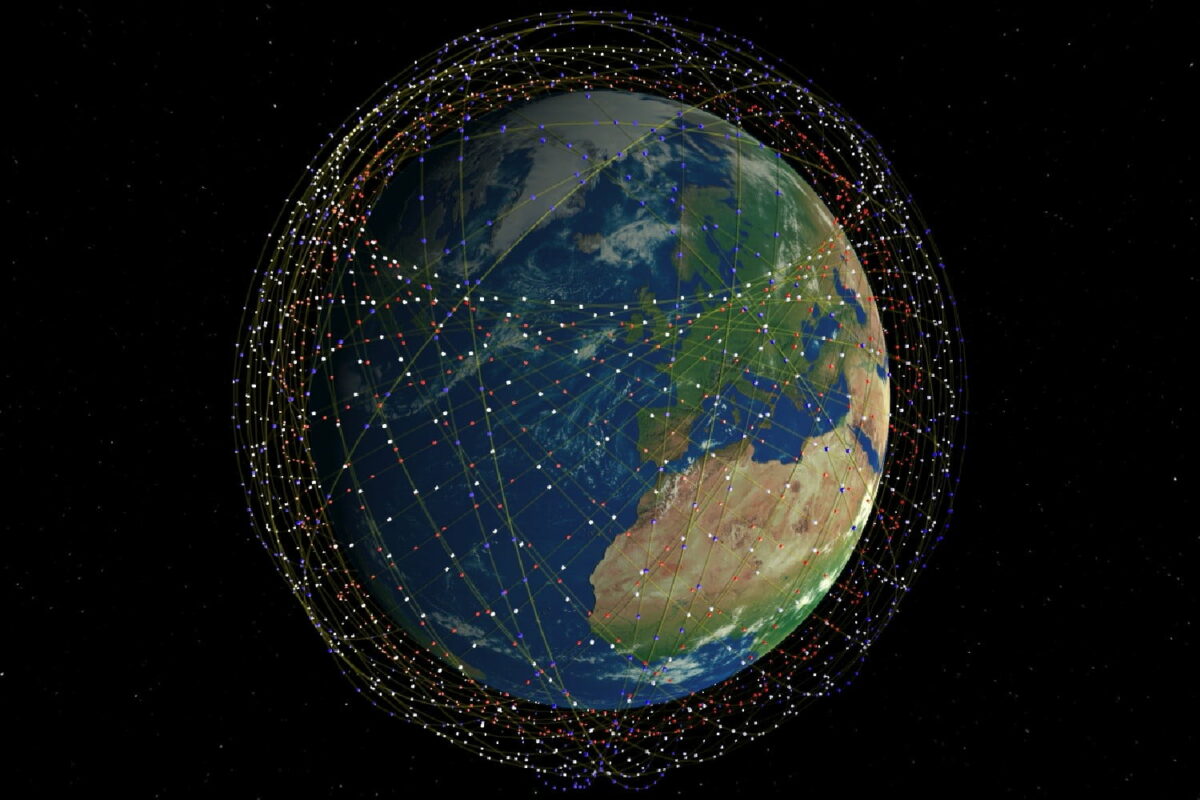
1. Introduction
Starlink – SpaceX's satellite internet constellation – is making strides in providing high-speed internet connectivity globally. One of the key factors enabling Starlink to achieve its goal of global coverage is the layered satellite deployment strategy, which involves organizing satellites into layers/orbits with different technical characteristics and positions to optimize coverage and network performance.
This article provides a detailed analysis of Starlink's layered satellite strategy, explaining how it works, its advantages, and its importance in the modern satellite network.
2. Khái niệm “Lớp” trong mạng lưới bảo vệ Starlink
2.1 Định nghĩa “lớp” vệ tinh
Trong mạng lưới bảo vệ Starlink, “lớp” (lớp hoặc vỏ) được hiểu là một nhóm bảo vệ được phóng to lên cùng một đạo giáo hoặc cùng một tầng đạo đạo, có đặc điểm về cao và độ nghiêng quỹ đạo giống nhau.
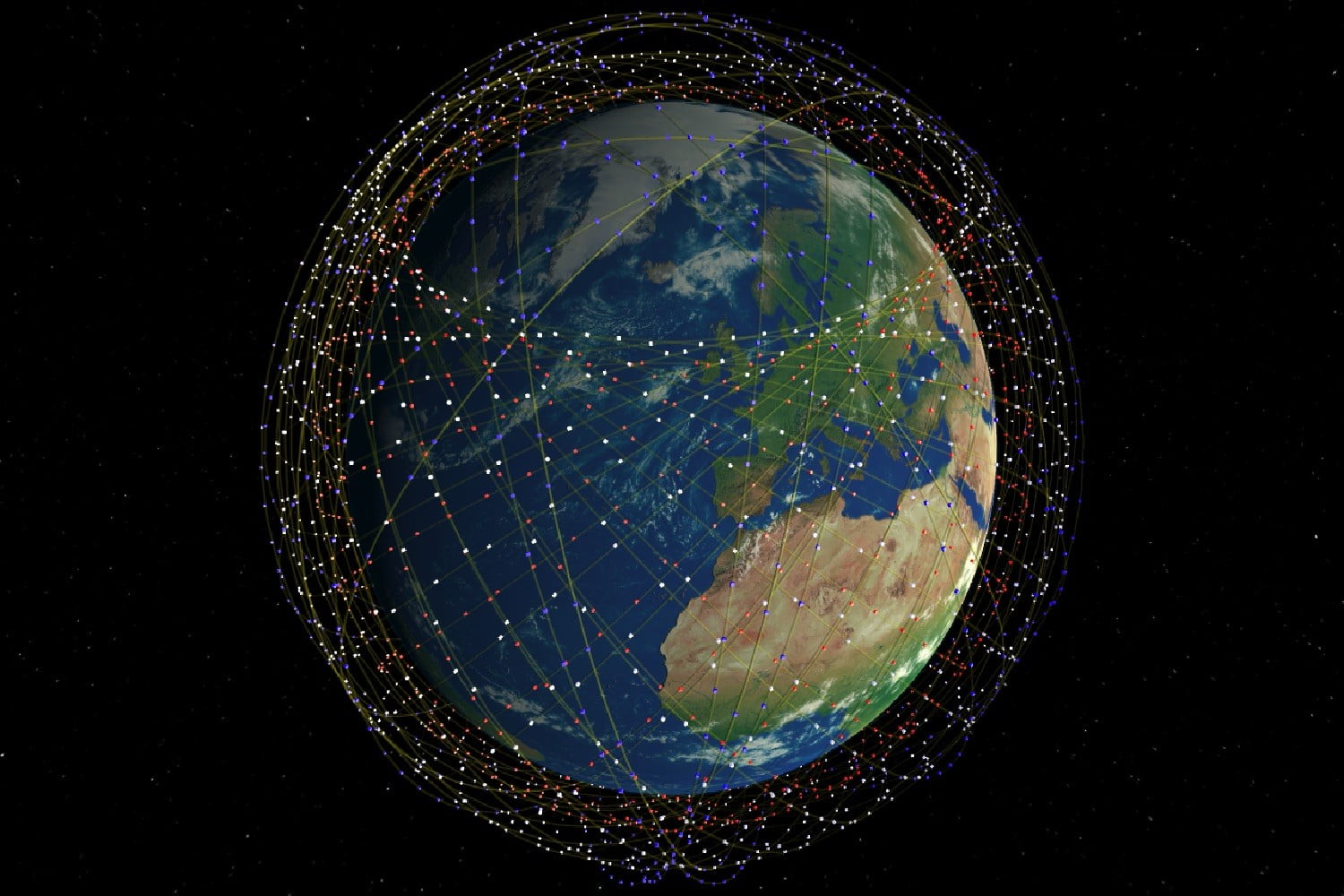
Each satellite layer ensures a specific role in the network, coordinating with other layers to form a continuous and comprehensive coverage system.
2.2 Current Satellite Layers of Starlink
-
Layer 1: Satellites orbiting at high speeds between 340 km – 350 km, with an inclination of 53°
-
Layer 2: Satellites at an altitude of 550 km, inclined at 53°
-
Layer 3: Satellites at an altitude of 560 km – 570 km, inclined at 70° – 74°
-
Layer 4: Satellites in a 97.6° orbit, at a high speed of about 1,200 km, dedicated to polar coverage.
3. Objectives and Benefits of the Layered Satellite Deployment Strategy
3.1 Optimize global coverage
Layered protection division helps Starlink effectively cover various geographical areas, including:
-
Equatorial regions and densely populated areas with low and medium orbital protection layers.
-
Northern and Southern polar regions with higher inclined orbital layers.
3.2 Reduce dead zones and blind spots
Coordinated layers work with different orbits to minimize dead zones caused by moving satellites. This layer can compensate for the uncovered areas of another layer.
3.3 Improve speed and bandwidth
Having protection layers at different altitudes will help distribute network load and optimize lock-in, allowing users at any location to have a smoother Internet experience.
4. Launch and develop layered satellite deployment process
4.1 Launch each layer according to plan
-
SpaceX launches groups of satellites belonging to the same layer (constellation) on separate Falcon 9 flights.
-
Each flight launches approximately 50-60 satellites, gradually increasing the number of satellites in each layer.
4.2 Deploy and calibrate orbits
-
After detaching from the stage
-
Synchronized protection measures operate on a schedule to ensure continuous coverage.
4.3 Integrate satellite link network
-
Protection layers are linked through optical laser connections, creating a successful mesh network that efficiently transmits results.
5. Impact of layered satellite launch strategy on Starlink network
5.1 Coverage and flexibility
-
Different layers help Starlink provide global coverage, from densely populated areas to harsh polar regions.
-
The network is easily scalable, upgrading each layer without affecting the entire system.
5.2 Enhance stability and high resilience
-
When one protective layer fails, other layers certainly receive the coverage, which can enhance stability.
-
The Starlink network supports rapid recovery and maintains service quality.
5.3 Optimize bandwidth and reduce latency
-
The protective layer analyzes data downloads to increase overall bandwidth and minimize lock speed for end users.
6. Challenges in managing multi-layer networks
-
Managing collisions between protective layers and space debris.
-
Synchronizing operations and maintaining complex networks.
-
Requires advanced and precise network coordination software.
7. The future of layered satellite launch strategy
SpaceX continues to expand and optimize protective layers with new technologies such as next-generation electronic phased array antennas, multi-channel optical lasers, more compact and sustainable satellite designs.
The development of new protective layers helps Starlink expand coverage, enhance stability, and improve global Internet service quality.
8. Conclusion
The layered satellite launch strategy is a core element that helps Starlink build a large-scale satellite network, effectively and sustainably covering the globe. By coordinating protective layers with various technological and doctrinal characteristics, Starlink optimizes coverage, reduces blind spots, enhances stability, and improves user experience worldwide.