
 English
  Tiếng Việt
 In today's world, network connectivity has become an indispensable part of life, from work, study to entertainment. However, for many areas, especially remote regions, accessing the internet remains a significant challenge.Starlink, the satellite internet service developed by SpaceX, is ushering in a new era in technology and connectivity, helping to bridge the digital divide between regions and creating new opportunities for millions of people.
Starlink: The Satellite Network Revolutionizing Connectivity
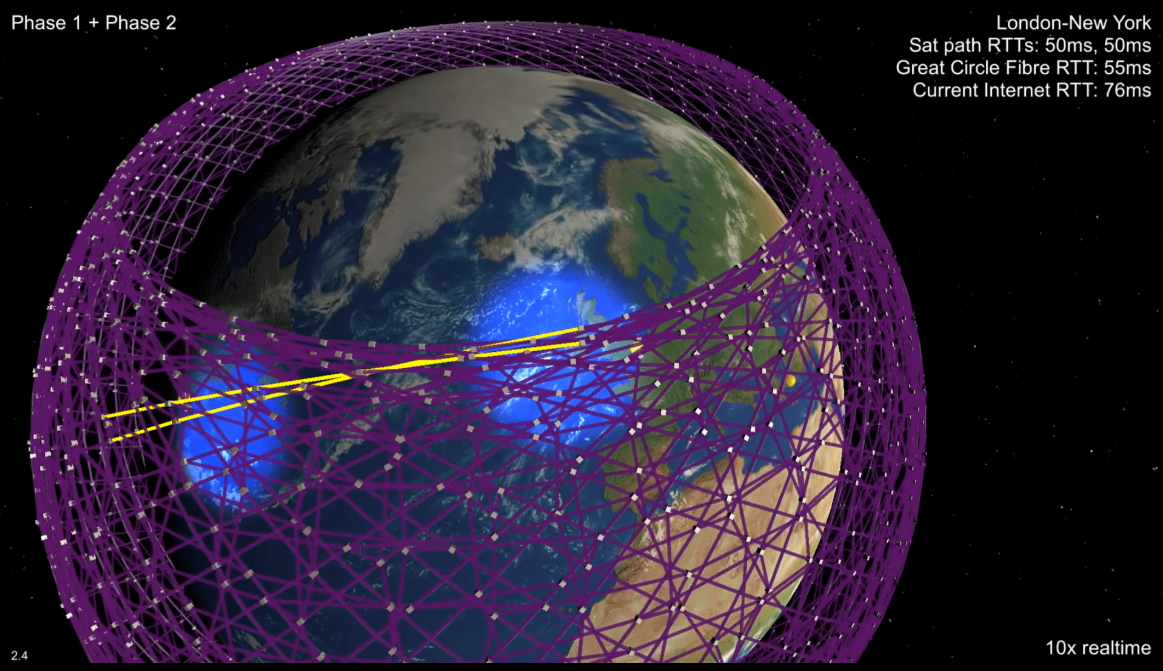
Starlink is a low Earth orbit (LEO) satellite network developed by SpaceX, aimed at providing high-speed, low-latency broadband internet service. This network consists of thousands of small satellites, positioned in low orbit (about 550 km above the ground), helping to reduce latency and increase data transmission speed compared to traditional satellites operating in higher orbits.
Starlink Technology: A New Step Forward in Satellite Networks
1. Low Earth Orbit (LEO) Satellite Network
One of the key factors that makes Starlink a groundbreaking advancement in satellite technology is the use of satellites in low Earth orbit (LEO). These satellites operate at an altitude of about 550 km, instead of higher orbits like traditional satellite systems, significantly reducing latency and increasing data transmission speed.
2. Simple and Cost-Effective Terminal Equipment
Another advantage of Starlink is an easily installable terminal device (antenna). Users only need to install the antenna in a location with a clear view of the sky, and the device will automatically connect to the satellite without requiring additional complex structures.
The Impact of Starlink on Global Network Connectivity
1. Connecting Remote Areas
Previously, many rural, remote areas, and distant islands did not have access to stable internet. However, with Starlink, connectivity has become easier than ever. Even areas with challenging internet infrastructure can now connect to the global network.
2. Supporting Learning and Education
With Starlink, students in areas without internet infrastructure can participate in online classes, access study materials, and interact with teachers and friends without experiencing connectivity interruptions.
3. Enabling Remote Work
With stable internet speeds and low latency, Starlink helps businesses and employees work remotely without experiencing connectivity disruptions. Online meetings, document sharing, and using online applications have become easier than ever.
Starlink in Vietnam
Vietnam has begun deploying Starlink services in some areas, especially rural and remote regions where traditional internet services have not yet reached. This project not only improves the quality of life for residents but also supports learning opportunities, economic development, and technology.
Conclusion
Starlink is a major advancement in satellite technology, providing the opportunity for stable, high-speed, and cost-effective network connectivity to underserved areas. With Starlink, we are not only changing the way we connect to the internet but also opening up new opportunities for education, work, and other fields globally.