
 English
  Tiếng Việt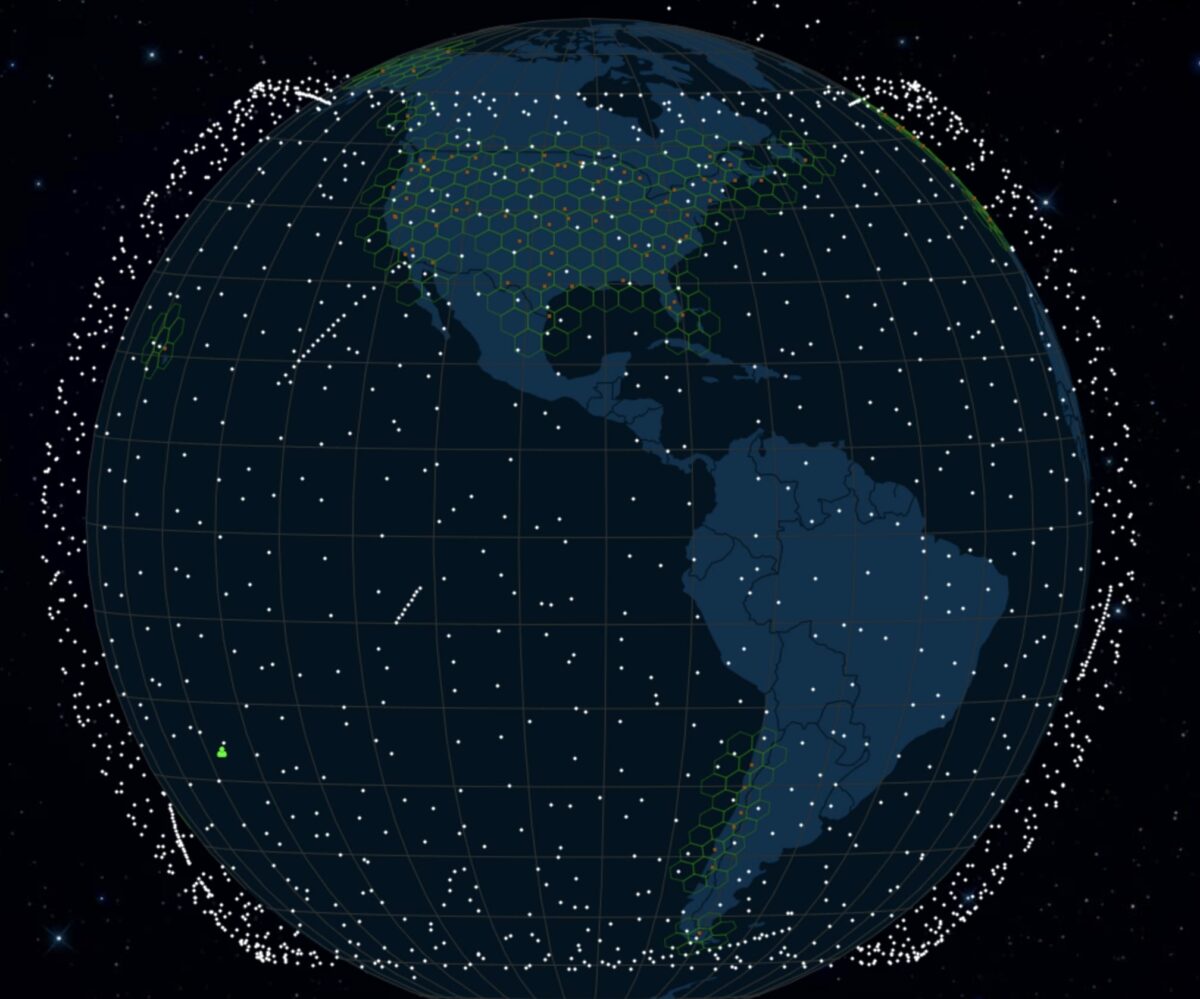
1. Overview of Starlink Coverage Map

Starlink, the satellite Internet network built by SpaceX, has been expanding its network of satellites placed in low Earth orbit (LEO) to provide high-speed, low-latency Internet connectivity globally.
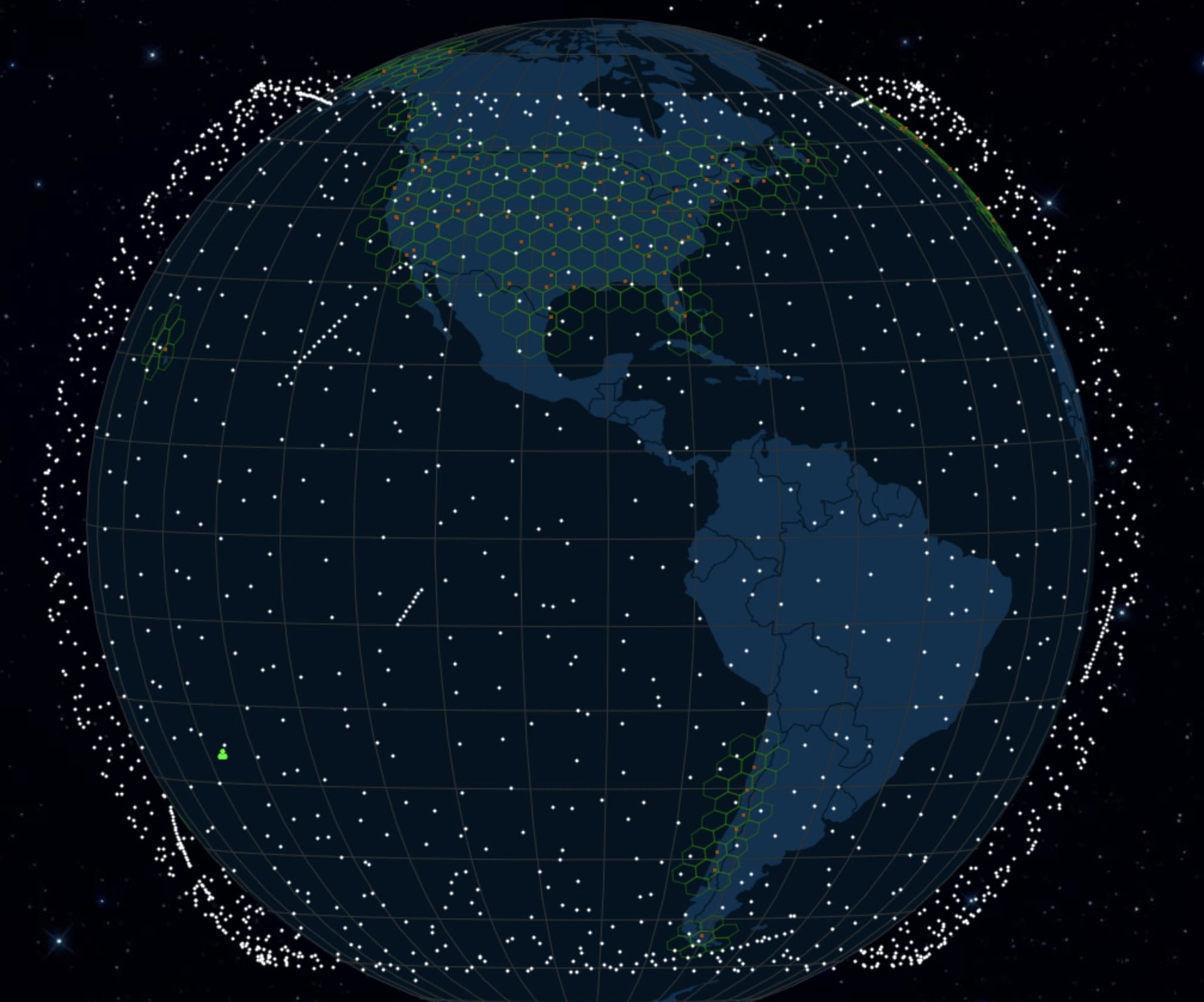
The Starlink coverage map shows areas around the world where the service has been deployed, is being tested, or is expected to connect in the near future. This is an important tool to help users, service providers, and partners identify coverage areas and satellite Internet accessibility.
2. Mechanism of Creating Starlink Coverage Map
2.1 Number of Satellites and Operational Orbits
-
Starlink uses over 4,000 satellites operating in LEO (altitude approximately 340 – 1,200 km), with plans to reach tens of thousands of satellites in the next decade.
-
LEO satellites allow for low signal latency, high speed, suitable for a variety of Internet applications.
2.2 Satellite Coverage Range and Perspective
-
Each satellite has a wide coverage area, depending on the orbital position and ground transceiver equipment.
-
The coverage map is compiled based on the overlap of satellite coverage areas at each time, continuously calculated to reflect Internet access capability.
2.3 Continuous and Accurate Updates
-
As the Starlink satellite network continuously expands and changes position, the coverage map is automatically updated according to real-time data collected from satellites and users.
-
Users can access the Starlink website and app to check the local coverage map.
3. Analysis of Starlink Coverage Map by Region
3.1 North America and Canada – The Widest Coverage Area
-
Most of the US and Canada have been comprehensively covered by Starlink.
-
The demand for high-speed Internet connectivity and developed ground station infrastructure helps the service achieve high stability here.
3.2 Europe – Wide Coverage, Focused in Developed Areas
-
Most Western and Northern European countries have good coverage.
-
Mountainous and rural areas in Europe are also beginning to be served by Starlink.
3.3 Asia-Pacific – Rapidly expanding
-
The regions of Japan, South Korea, Australia, and New Zealand have significant coverage.
-
Vietnam, Thailand, and many Southeast Asian countries are still in the testing and deployment phase.
3.4 South America – Coverage concentrated in main residential areas
-
Brazil, Argentina, Chile, and some major countries have coverage, concentrated in cities and densely populated areas.
3.5 Africa and the Middle East – Emerging coverage areas
-
Starlink is beginning to expand in major urban countries and economically developing areas.
-
Many remote areas still lack full coverage due to ground station infrastructure limitations.
3.6 Arctic and Antarctic Regions – Testing and limitations
-
Due to climate conditions and lack of infrastructure, polar regions do not have stable coverage, but tests have been conducted.
4. Factors affecting coverage range and quality
4.1 Terrain and natural conditions
-
Mountains, dense forests, and adverse climate conditions like storms and heavy snow reduce satellite signal strength.
-
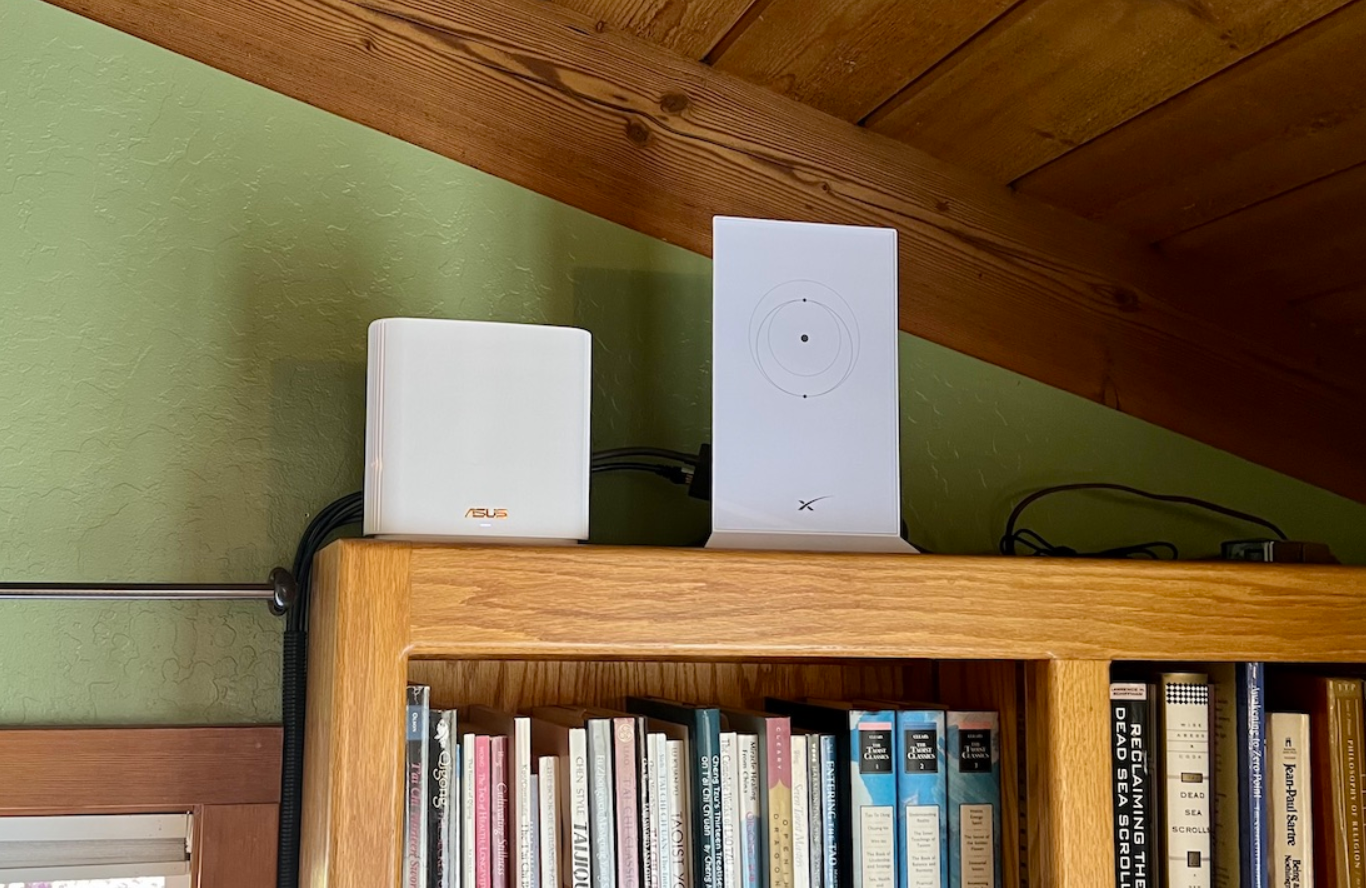
Users need receiving equipment with a clear view of the sky.
4.2 Ground station infrastructure and user equipment
-
The ground station network is a crucial link connecting satellites to the global Internet network.
-
The performance of receiving equipment at the customer's home also affects connection quality.
4.3 Frequency waves and signal interference
-
Careful frequency spectrum management is required to avoid signal interference affecting coverage areas and service quality.
5. How to check the coverage map and test the connection
-
SpaceX provides an online lookup tool on the official Starlink website, allowing users to enter their location to check current coverage and connectivity status.
-
The Starlink app updates satellite and signal status in real-time, helping users monitor and optimize their connection.
6. Future expansion of Starlink coverage
-
SpaceX is planning to launch thousands of additional satellites in the coming years to expand coverage to everywhere in the world.
-
The laser inter-satellite links will help connect efficiently, reduce dependence on ground stations, and expand coverage to hard-to-reach areas.
-
User equipment will also be upgraded to support wider coverage and more stable signals.
7. Conclusion
Starlink's global coverage map shows the remarkable progress of satellite Internet technology in expanding connectivity to every corner of the planet. Although there are still some limitations due to geographical and climatic factors, Starlink is quickly bridging the digital divide, expanding broadband Internet access in areas previously left behind.
Continuously updating the coverage map and expanding the satellite network provides users and service providers with an accurate view, allowing them to plan appropriate development strategies, promoting comprehensive socio-economic development.