 English
  Tiếng Việt
In the context of rapid technological development, Starlink and 5G are two advanced internet connectivity solutions, but they have their own strengths and limitations. Let's explore the differences in speed, performance and coverage between these two technologies.
What is Starlink?
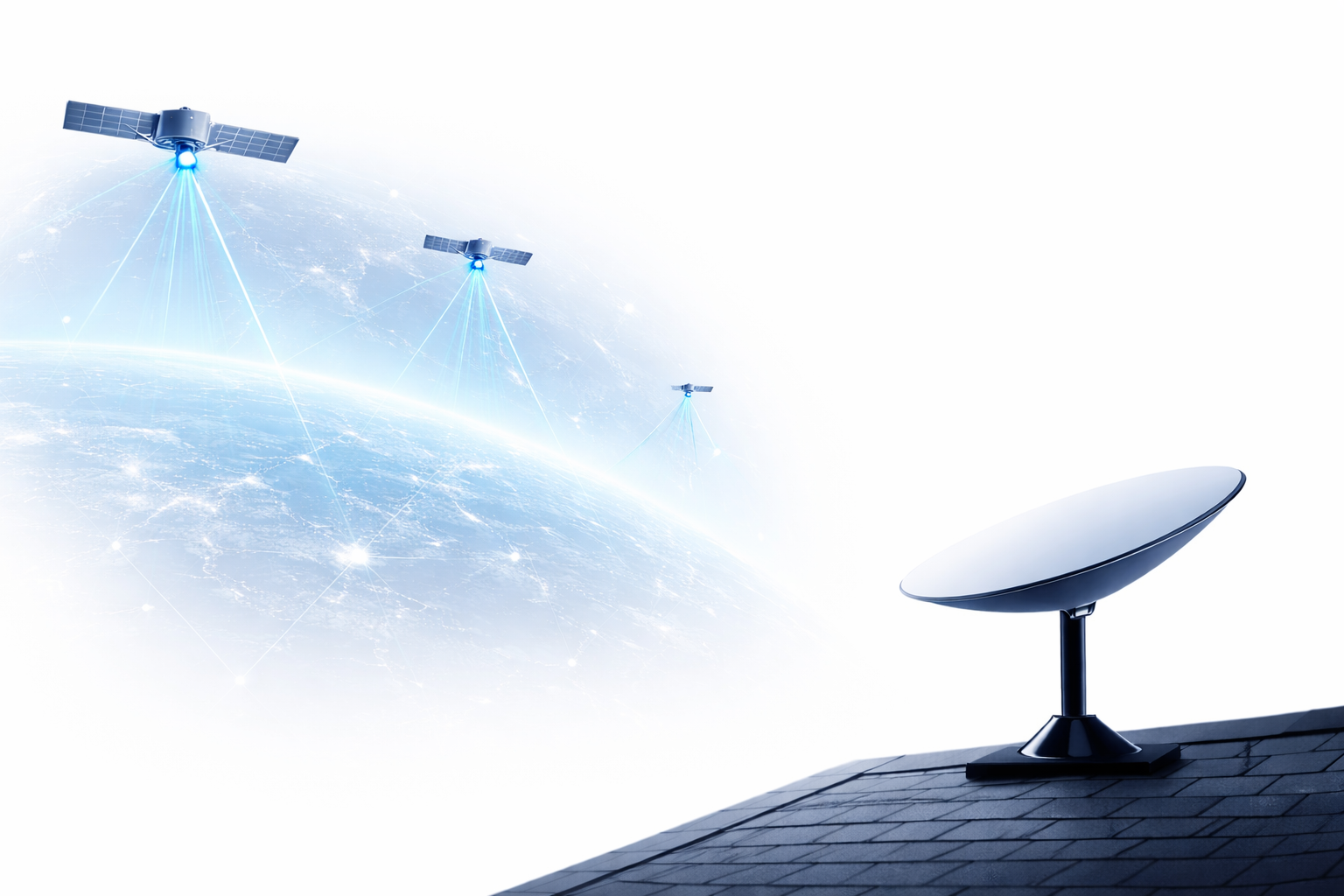
Starlink is a low Earth orbit (LEO) satellite network developed by SpaceX, providing broadband internet to areas without traditional network infrastructure. Starlink operates through a network of satellites at an altitude of about 550 km, helping to reduce latency and increase internet speed.
Comparison of Speed and Performance
Speed
-
Starlink: Download speeds up to 220 Mbps, suitable for internet use in rural and remote areas.
-
5G: Theoretical speeds up to 10 Gbps, but actual speeds depend on infrastructure.5G offers extremely high speeds in urban areas.
Latency
-
Starlink: Latency from 20–40ms, suitable for applications that do not require very fast response times.
-
5G: Extremely low latency (1ms), ideal for applications requiring immediate response like online gaming.
Coverage Area
-
Starlink: Suitable for areas without traditional internet networks, including remote and rural areas.
-
5G: Limited coverage area, mainly in large cities and areas with good infrastructure.
Conclusion
Starlink is the optimal solution for areas without stable internet, while 5G again excels in speed and low latency in urban areas. Both technologies have their own advantages, serving well for different needs in internet connectivity.